A caller reporting a burst pipe at 2 a.m., a patient with an urgent concern, or a tenant who cannot access a secure building should not be left to decide whether a voicemail will be heard in time. An emergency call escalation service gives your business a clear, reliable process for recognizing urgent calls and reaching the right person when immediate attention is needed.
For businesses that serve people outside standard office hours, the issue is not simply answering the phone. It is making a sound decision quickly, following the right instructions, documenting the interaction accurately, and staying with the escalation process until the appropriate on-call contact is reached. That level of responsiveness protects callers, preserves trust, and helps your team focus on resolving the issue rather than sorting through missed messages.
What an Emergency Call Escalation Service Does
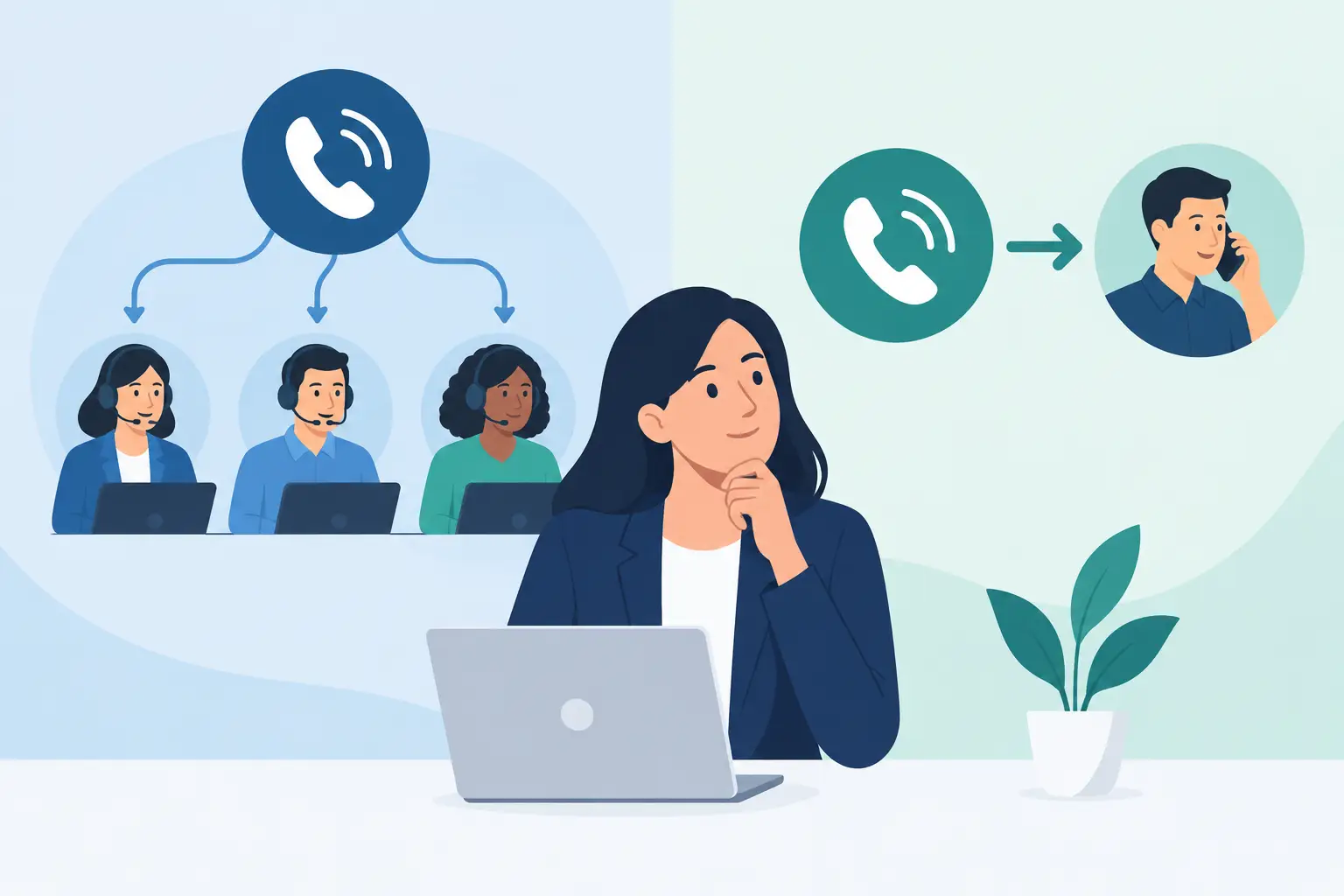
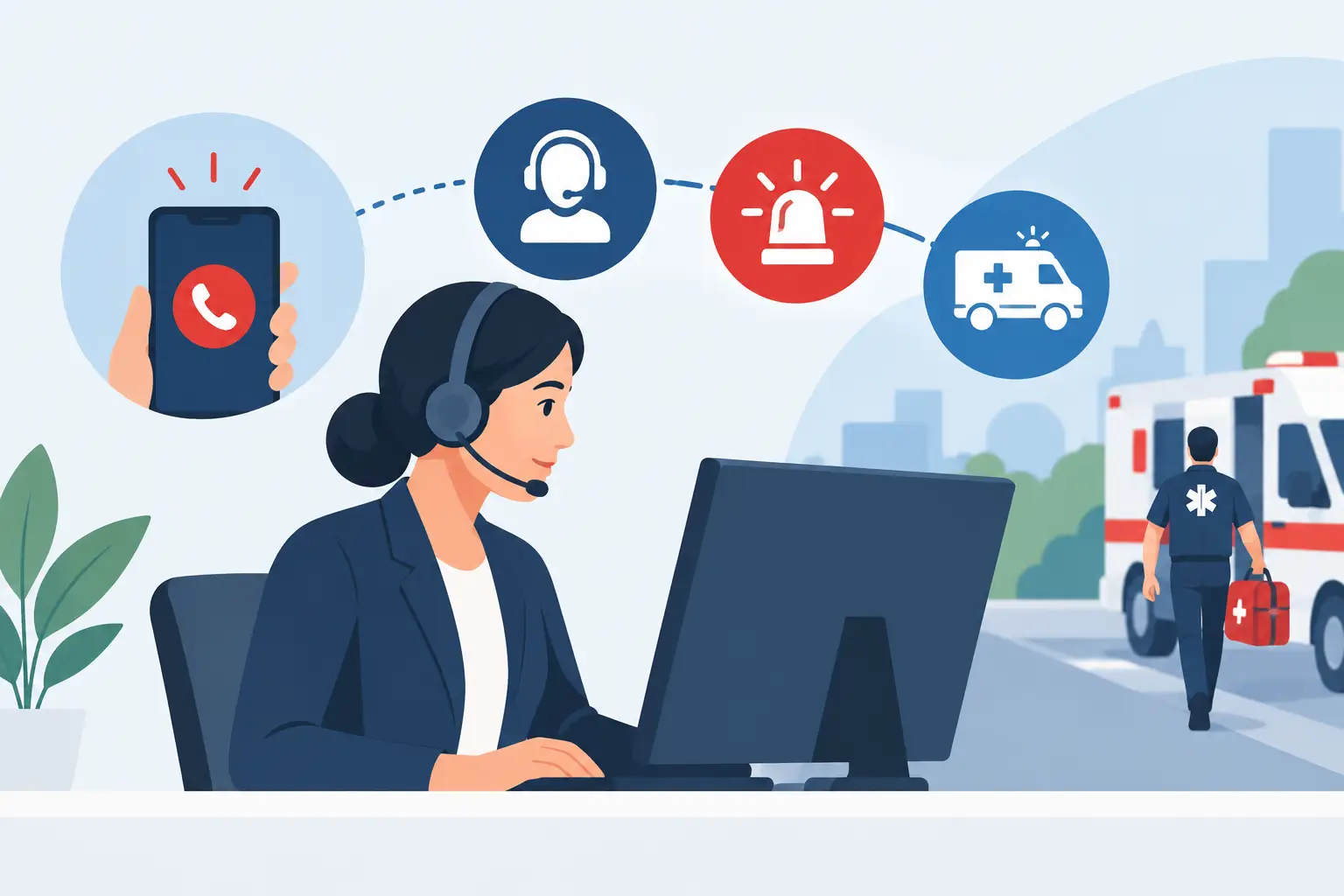
An emergency call escalation service is a live-answering workflow designed for calls that need a faster response than routine messages. Trained agents answer using your business name and approved script, gather the necessary details, identify whether the situation meets your definition of urgent, and contact the designated on-call person according to your instructions.
The process should be customized. A property management company may need a call escalated for flooding, fire, loss of heat in severe weather, or a building access issue. A medical office may have carefully defined protocols for time-sensitive patient messages, while a law firm may need an attorney notified about an urgent client matter or detention-related call.
The goal is not for an answering service to make clinical, legal, or technical decisions on your behalf. The goal is to ensure the caller reaches a live person, the correct information is captured, and your team is alerted quickly when your established criteria are met.
Why Voicemail Is Not an Escalation Plan
Voicemail has a place for routine after-hours calls, but it is not a dependable system for emergencies. It assumes the caller knows whether their issue can wait, assumes the message is understandable, and assumes the right employee checks it promptly. During a busy evening, overnight shift, weekend, or holiday, those assumptions can create unnecessary risk.
A live agent can ask the questions your business has approved. They can confirm a callback number, location, unit number, patient identifier, or service address. They can also distinguish between a request that should be logged for the next business day and one that must be immediately routed to an on-call technician, provider, manager, or attorney.
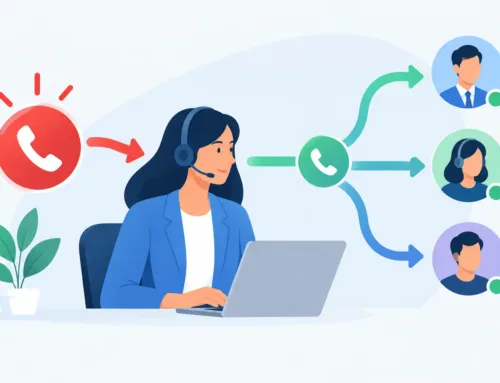
Just as important, a well-designed escalation process includes follow-up steps. If the first on-call contact does not answer, the agent follows the backup sequence. That may mean calling a second contact, sending a secure message, or contacting an on-call supervisor. Without those layers, an urgent message can still end up waiting unnoticed.
The Details That Make Escalations Work
Effective escalation is built before the phone rings. Your call handling instructions should define what qualifies as urgent, who receives each type of alert, and what happens if the primary contact cannot be reached. Vague instructions such as “call us for emergencies” make it difficult for anyone to respond consistently.
Clear definitions prevent unnecessary delays
Every business has a different definition of an emergency. For a plumbing company, an active water leak may need an immediate dispatch while a slow drain can wait. For a dental practice, uncontrolled bleeding or severe post-procedure pain may require a provider callback, while an appointment request can be handled the next morning.
Specific examples give agents the confidence to act promptly and give callers a more consistent experience. They also help prevent over-escalation, which can exhaust on-call employees and make them less responsive when a true emergency occurs.
A contact ladder protects against missed connections
The first person on call will not always be available. Phones lose signal, people are driving, and a primary contact may be working another urgent issue. Your escalation plan should include a current, ordered list of backup contacts and clear guidance on how long agents should wait before moving to the next person.
The best contact ladders are practical. They account for different shifts, geographic coverage, weekends, vacations, and the types of calls each person is qualified to handle. They are also reviewed regularly. A perfect escalation plan on paper fails if it contains an outdated number or a former employee’s contact information.
Documentation protects the caller and your team
An urgent call record should capture the caller’s name, callback number, time of call, location, the nature of the problem, and the action taken. It should also show who was contacted and whether confirmation was received.
For healthcare, legal, and other privacy-sensitive fields, documentation and message delivery must align with the organization’s security and compliance requirements. HIPAA-compliant workflows, secure messaging, and detailed call records can help businesses maintain control over sensitive communications without asking their internal staff to remain at a desk all night.
Where Live Emergency Escalation Makes the Biggest Difference
The value of live escalation is especially clear in businesses where delays can affect safety, property, health, or a client relationship. In property management, a quick response to a water intrusion or lockout can reduce damage and reassure a distressed tenant. In home services, an after-hours dispatcher can send urgent HVAC, electrical, or plumbing requests to the right technician while preserving next-day scheduling for non-urgent work.
Medical practices and dental offices often need a carefully controlled after-hours process that respects patient privacy and the provider’s instructions. A live agent can collect the information needed for an on-call provider to return the call without offering medical advice or making assumptions about the patient’s condition.
Legal practices may use escalation support when a client needs immediate assistance, a court-related deadline is involved, or a sensitive intake requires a timely response. Real estate professionals, funeral homes, and other service-driven organizations also benefit when callers reach a calm, professional person rather than a recording at a difficult moment.
Build a Process Your On-Call Team Will Trust
The best emergency call escalation service feels like an extension of your operations, not a disconnected third party. That starts with a thorough setup process. Your answering partner should learn how your business identifies callers, what questions to ask, what language to avoid, how to transfer calls, and when to begin the escalation ladder.
It also requires regular testing. Place a test call after setup, then revisit the workflow when staffing changes, service territories expand, or seasonal demand increases. Review a sample of call records with your team. If agents are receiving incomplete information, if staff members are being contacted unnecessarily, or if callers are unclear about next steps, adjust the script and escalation criteria.
There is a trade-off to manage. A very broad emergency definition may give callers confidence but can create frequent overnight interruptions. A definition that is too narrow may leave real emergencies waiting. The right balance depends on your industry, customer obligations, staffing model, and tolerance for response time. A customized plan lets you protect availability without treating every after-hours call as a crisis.
Give Callers a Human Response When It Counts
People do not call after hours because it is convenient. They call because something has gone wrong, they need reassurance, or they need to know what happens next. A live, US-based agent who follows your instructions can turn a stressful first interaction into a clear path toward help.
For your internal team, that means fewer missed messages, more organized handoffs, and an on-call schedule that has real backup behind it. For your callers, it means they are heard by a person who treats the situation with urgency and care. When your escalation plan is clear and regularly maintained, your business can be ready to respond long before the next urgent call comes in.