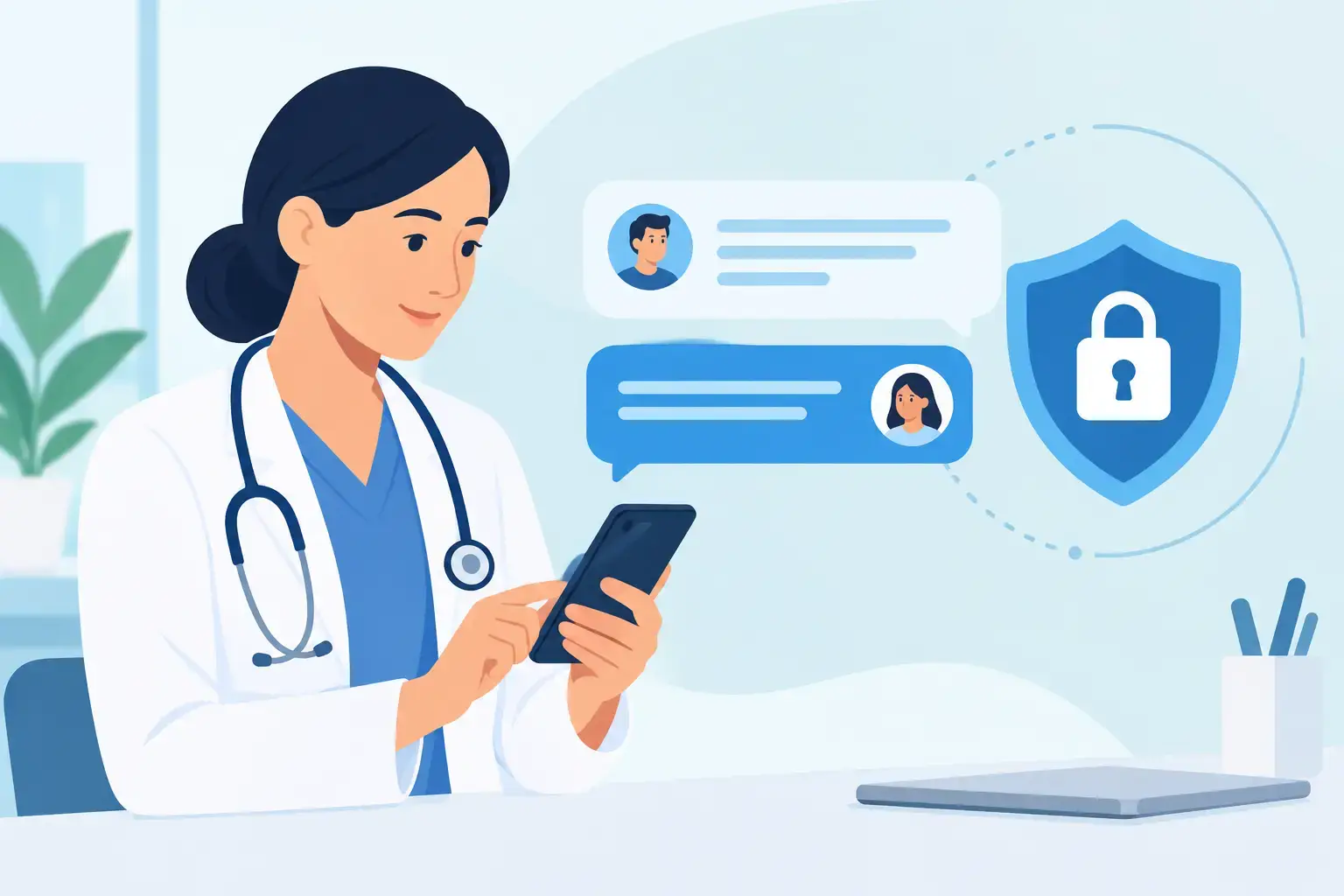
A patient calling after hours may share a medication concern, a worsening symptom, or information needed for a follow-up appointment. That message cannot sit in an unmonitored inbox, travel through an unsecured channel, or reach the wrong person. Knowing how to protect patient messages means building a process that safeguards private health information while getting urgent details to the right clinical contact without delay.
For medical practices, hospitals, dental offices, and specialty providers, message protection is not a single technology purchase. It is an operating discipline. The people answering calls, the information they collect, the tools they use, and the escalation rules they follow must all support patient privacy and continuity of care.
Start With a Clear Definition of a Protected Message
A patient message can contain protected health information even when it seems routine. A caller’s name, phone number, appointment details, diagnosis, prescription question, test result, insurance information, or reason for calling may identify the patient and relate to care. The risk grows when several small details are combined.
Train staff and after-hours call handlers to treat patient-related communications with the same care they would use for a medical record. This includes phone notes, voicemail transcripts, SMS alerts, email notifications, portal messages, and handwritten call logs. A secure process should account for every place a message can be created, stored, forwarded, or discussed.
The amount of information collected also matters. Call handlers need enough detail to route the call correctly and communicate the concern, but not every clinical detail is necessary for every message. A concise, structured intake helps reduce unnecessary exposure while giving the on-call provider useful context.
Build a Secure Patient Message Workflow
The best workflow is easy for trained people to follow under pressure. If the process relies on memory, personal devices, or informal workarounds, it will eventually create a privacy gap.
Begin by documenting what happens from the moment a patient calls. Identify who answers, what identity details are confirmed, what information is recorded, where the message is entered, who receives it, and how delivery is confirmed. Then review each handoff for security and speed.
A reliable workflow usually includes four controls:
- Approved communication channels: Patient messages should move through systems authorized by the practice, not personal email accounts, consumer messaging apps, or unapproved texting tools.
- Role-based access: Receptionists, nurses, providers, billing personnel, and outside service partners should access only the information needed for their responsibilities.
- Standard documentation: Use consistent call scripts and message fields so critical details are captured without asking callers to repeat themselves or adding unnecessary notes.
- Escalation tracking: Urgent messages require a documented path, acknowledgment expectations, and a backup contact if the first person does not respond.
For many practices, an outsourced answering partner is part of this workflow. That partner should use secure, practice-approved message delivery methods and follow customized instructions for routine calls, urgent concerns, and emergency situations. The provider should be able to see what was taken, when it was delivered, and whether an escalation was completed.
Verify Identity Before Sharing Information
Phone calls are personal, but they are not automatically private. A caller may be a patient, a family member, a caregiver, another provider, or someone with no authorization to receive information. Before discussing appointments, treatment details, test results, or account information, staff should follow the practice’s identity verification process.
Verification should be practical rather than burdensome. Depending on the situation, it may involve confirming multiple identifiers already on file, asking the caller to provide a date of birth, or using an established patient communication preference. The process should be clear enough that every team member handles similar requests consistently.
Staff also need a firm response for uncertain situations. If authorization is unclear, the safest option is often to take a callback message without disclosing details. A message such as, “I’ll let the office know you called and ask them to return your call,” protects the patient while keeping the conversation helpful.
Train Call Handlers for Privacy and Urgency
A secure platform cannot compensate for an untrained person who shares too much, records sensitive information in the wrong place, or misses an urgent symptom. Training should cover privacy expectations, approved scripts, documentation standards, identity verification, and escalation procedures.
Just as important, call handlers need to know where their role ends. They should not provide clinical advice unless the practice has specifically authorized a protocol and they are qualified to follow it. Their job is to listen carefully, document accurately, communicate the message through the approved channel, and activate the appropriate escalation path.
Role-playing is useful because difficult calls rarely sound like the training manual. A worried parent may call repeatedly. A patient may ask for test results after hours. A spouse may insist that they have permission to receive information. Practicing these situations helps agents remain calm, respectful, and consistent.
If a practice works with a live answering service, ask how agents are trained on healthcare workflows and HIPAA requirements. Confirm that they can follow custom scripts, recognize escalation triggers, and document calls in the format your clinical team needs. Elation Answering Service, for example, supports customized call handling so practices can set clear instructions for their own patients and on-call teams.
Use Escalation Rules That Do Not Create New Risks
Urgent care communication is where privacy and responsiveness must work together. A message that is highly protected but not delivered in time can still harm the patient experience. On the other hand, a rushed call handler may send clinical details through an unapproved channel just to get someone’s attention.
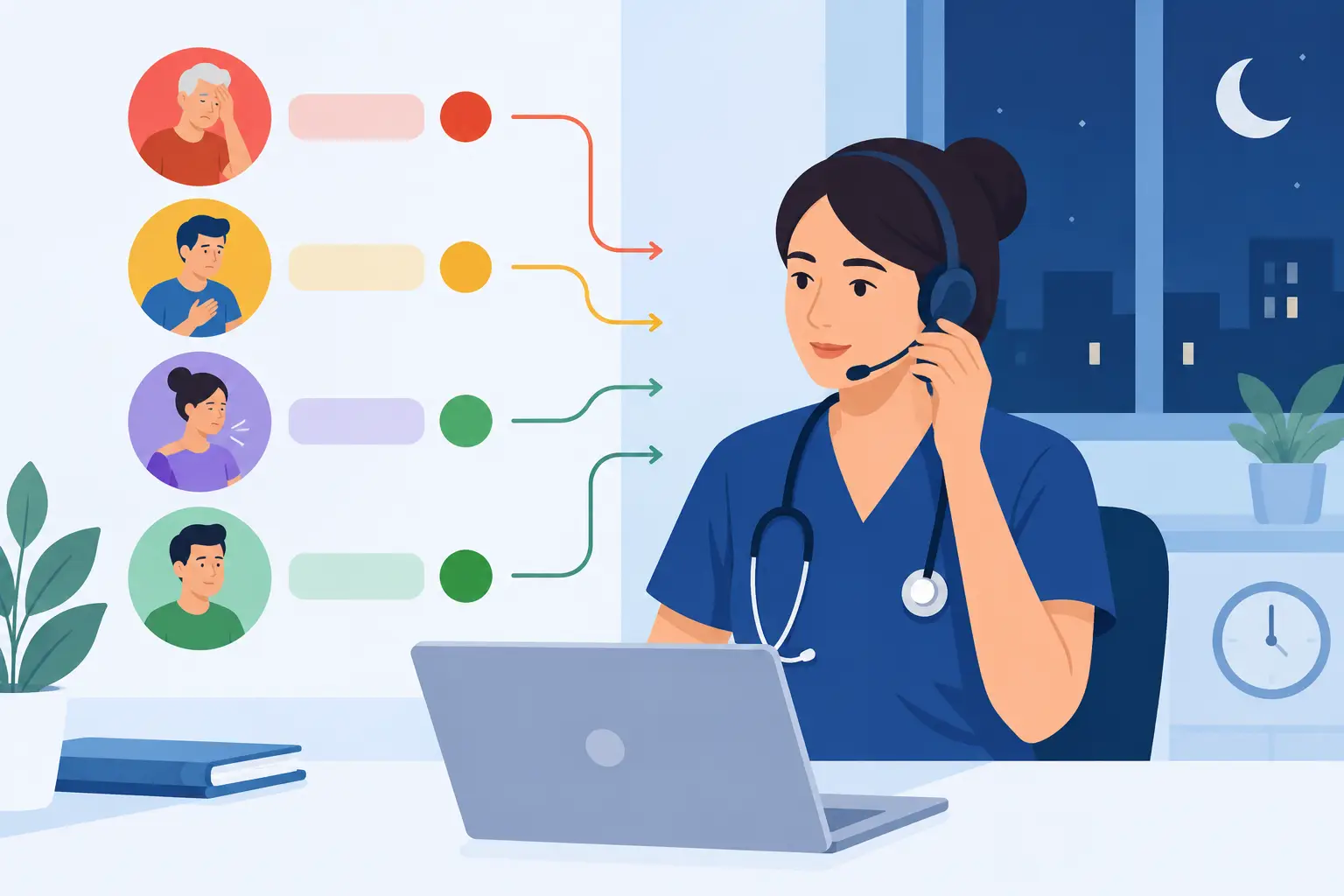
Set clear categories for routine, priority, and urgent messages. Define the kinds of calls that require immediate provider notification, the expected response time for each category, and the backup procedure when the first contact is unavailable. These instructions should be reviewed with every person who answers calls.
Keep alerts brief when they travel through channels with limited security or display previews on lock screens. An alert can tell an on-call provider that an urgent patient message is waiting in the approved system, rather than including extensive medical details in the notification itself. The provider can then access the complete documentation securely.
It also helps to use closed-loop escalation. The sender should receive confirmation that the responsible person received the message, and there should be a documented next step if confirmation does not arrive. This protects against missed handoffs during busy evenings, weekends, holidays, and shift changes.
Choose Technology Based on the Full Message Path
Encryption is valuable, but it is only one part of protection. Evaluate the entire path from incoming call to final documentation. Consider what happens when a message is entered, transmitted, stored, accessed on a mobile device, and retained or deleted according to your organization’s policies.
Look for access controls, audit trails, secure authentication, session timeouts, and administrative controls that support your privacy program. Mobile access can be essential for on-call providers, but it should be governed by device security policies, approved applications, and prompt removal of access when a staff member changes roles or leaves the organization.
Healthcare organizations should also confirm the responsibilities of vendors that handle protected health information. When required, a business associate agreement should be in place, and the vendor’s safeguards should match the services it provides. HIPAA compliance is not a badge that eliminates risk. It is an ongoing commitment to appropriate safeguards, training, oversight, and response planning.
Review Message Practices Before a Problem Occurs
Most communication gaps become visible during ordinary operations, not after a major incident. Review a sample of patient messages regularly. Are call notes complete? Are urgent calls reaching the right contact? Are staff using approved channels? Are messages being retained longer than policy allows? Are former employees or contractors still able to access systems?
Use findings to refine scripts and routing rules. A frequent source of confusion may signal that the intake form needs a better prompt. Repeated after-hours provider callbacks may mean a routine issue can be handled through a clearer patient instruction. The goal is not to make the process rigid. It is to make dependable behavior easier, especially when call volume rises.
Patients may never see the policies, secure delivery settings, or escalation logs behind their calls. They will notice when someone answers, handles their concern with discretion, and makes sure the right person responds. Protecting patient messages is how a practice shows that privacy and patient care are being treated as the same responsibility.