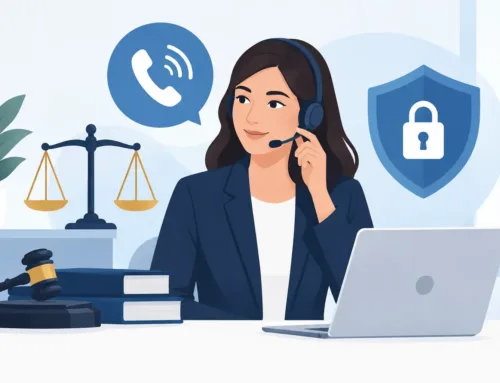
A patient with a cracked crown at 9:30 p.m. is not looking for an automated menu. A parent calling about a child’s swelling wants to know whether to wait, call the on-call dentist, or seek immediate care. A dental office answering service gives those callers a live, professional person who can follow your instructions, document the concern, and make sure the right team member is alerted.
For dental practices, every call carries more than an appointment request. It may be a frightened patient, a time-sensitive post-operative concern, a new patient comparing practices, or an established patient who needs reassurance. How your office responds when the front desk is busy or closed directly affects patient trust, staff workload, and practice growth.
Why missed dental calls cost more than one appointment
Voicemail is easy to set up, but it asks patients to do the work of deciding whether their concern can wait. Many will hang up and call another practice. Others may leave incomplete information, making it harder for your team to determine the next step when the office reopens.
During business hours, a busy front desk can face the same problem. Team members are checking in patients, confirming insurance, preparing charts, and supporting clinical flow. When the phone rings repeatedly, staff must choose between interrupting the patient in front of them or risking a missed caller. Neither choice creates the experience your practice wants to provide.
Live call coverage protects both sides of that interaction. Callers reach a courteous person instead of a recording, while your in-office team has room to focus on the patients already under their care. The result is not simply fewer abandoned calls. It is a more consistent standard of service at every point in the patient journey.
What a dental office answering service should handle
The right service should operate as an extension of your practice, not as a generic call center. That starts with a customized call script that reflects your office name, hours, policies, preferred language, and escalation process. Agents should know what information to collect and when a call needs immediate attention.
For routine calls, an answering team can capture appointment requests, new patient inquiries, cancellation messages, insurance questions, and requests for records or billing follow-up. Messages can then be delivered through your preferred method, whether that is a secure mobile portal, text alert, email, or direct call to a designated team member.
After-hours and weekend support is where clear instructions matter most. Your practice can establish call categories and response paths for concerns such as dental trauma, uncontrolled bleeding, severe pain, swelling, medication questions, or a damaged restoration. The answering agent does not provide clinical advice. Instead, the agent follows your approved protocol and contacts the appropriate on-call provider when the situation meets your escalation criteria.
That distinction matters. A professional answering service supports communication and timely routing, while your dentists and clinical team retain control over clinical decisions.
Call documentation matters
A useful message includes more than a name and callback number. Your team may need the patient’s relationship to the practice, reason for calling, symptoms or concern as described by the caller, relevant timing, preferred callback number, and the action taken by the agent.
Detailed, consistent documentation helps the on-call provider respond with context. It also gives office managers a clearer view of call patterns. If your practice receives frequent evening calls about post-operative discomfort or confusion about appointment instructions, that information can help improve patient education and internal processes.
HIPAA-conscious workflows are not optional
Dental offices manage protected health information. Any outside partner handling patient communications should be prepared to support HIPAA-compliant workflows, secure message delivery, and appropriate documentation practices.
Not every dental call contains sensitive information, but many do. Choosing a provider with healthcare experience reduces the risk of treating patient information like an ordinary customer service message. Ask how messages are transmitted, who can access them, how scripts are managed, and how the provider handles urgent escalations.
When your practice needs live coverage
A dental office answering service is not only for large multi-location practices. It can be especially valuable for solo dentists and smaller offices where one absence at the front desk changes the entire day.
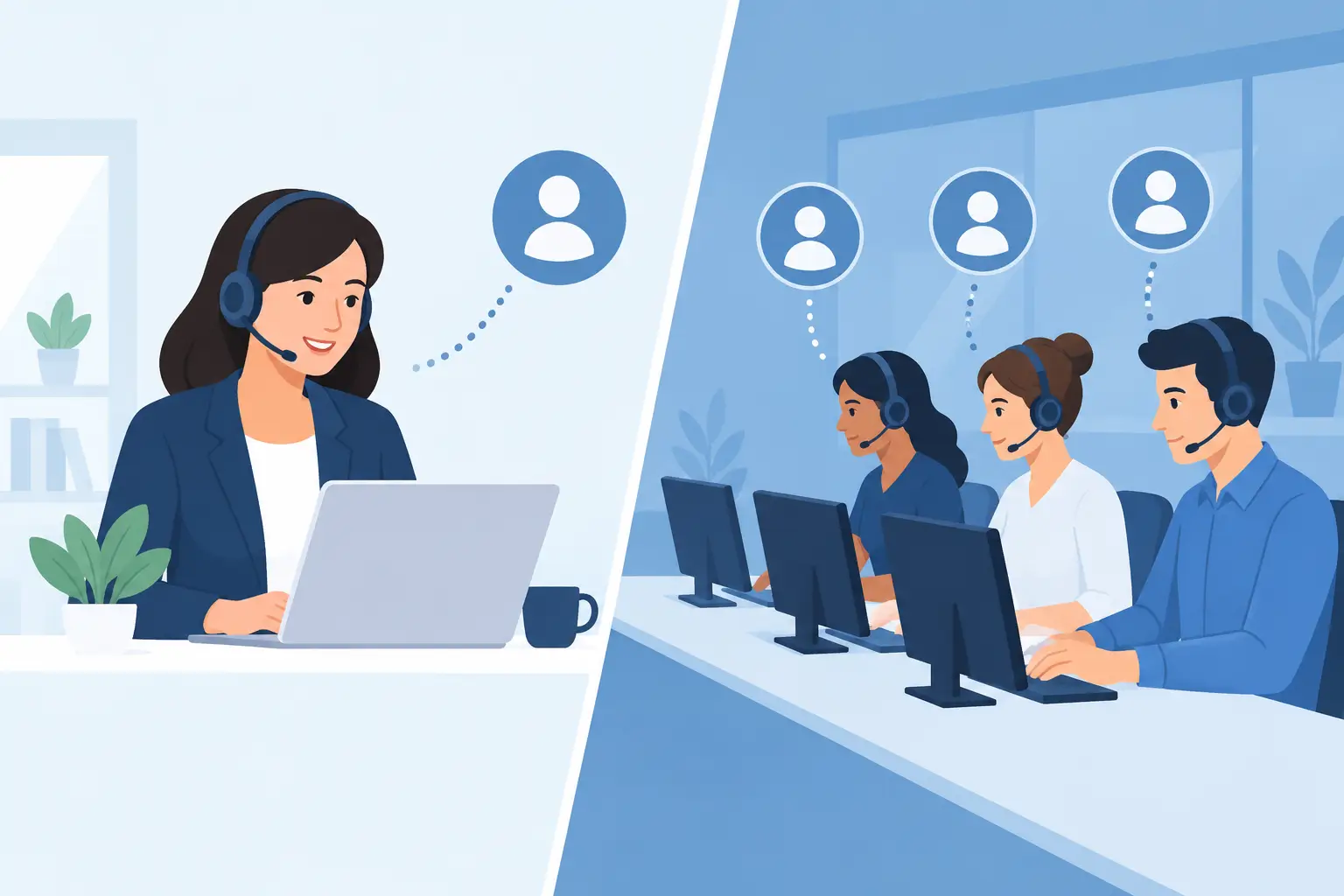
Some practices use coverage only after hours. Others need overflow support during lunch, staff meetings, peak call periods, holidays, or unexpected staffing gaps. A growing practice may want a virtual receptionist to answer every call during the day so its internal team can spend more time with patients at the front desk.
The right setup depends on your call volume, office hours, staffing model, and clinical escalation needs. A practice with a rotating on-call dentist needs a different workflow than an office that directs all urgent after-hours concerns to a single provider. Flexibility is valuable, but it should not mean uncertainty. Your agents should always know exactly what to do next.
Questions to ask before choosing a provider
Price matters, but the lowest monthly rate can become expensive if callers receive rushed, inconsistent, or poorly documented service. Before choosing a partner, look closely at the operational details behind the promise of live answering.
Ask whether calls are handled by live, US-based agents and whether the team is available 24/7. Confirm that scripts can be tailored to your practice and updated as your needs change. Find out how the provider identifies urgent calls, reaches on-call staff, and handles situations when the first contact does not respond.
You should also understand how messages are delivered and whether the system supports secure communication. If your patient population includes Spanish-speaking families or other language needs, ask about bilingual support. Finally, request clarity on reporting. Call records can help you measure volume, identify missed opportunities, and ensure your service plan still fits the practice.
A dependable provider will welcome these questions. Call handling is a direct reflection of your office, so you should expect clear answers about training, coverage, escalation, and accountability.
Building a call plan your team can trust
The strongest answering service relationship begins with a practical intake process. Your provider should learn how your practice operates before taking a single patient call. That includes office locations, provider names, business hours, appointment policies, emergency definitions, on-call schedules, message recipients, and preferred escalation methods.
Keep instructions specific and current. If your on-call schedule changes weekly, establish a reliable process for updating it. If your office does not want certain calls forwarded overnight unless they meet defined criteria, state those criteria clearly. If a caller is in distress, agents need a documented path for directing them to emergency services when appropriate.
It is also wise to review messages and escalations regularly during the first few weeks. Small script adjustments can make a significant difference. Perhaps your office wants new-patient calls marked separately, or perhaps your doctors prefer an initial text alert followed by a phone call for urgent matters. Those details help the service feel like part of your team rather than an outside layer.
At Elation Answering Service, trained live agents can support customized dental call workflows with 24/7 availability, secure messaging options, bilingual support, and escalation procedures built around your practice’s instructions.
The patient experience continues after the office closes
Patients remember how they felt when they needed help. They remember whether someone answered, whether that person listened, and whether their concern reached the right member of the care team. A calm, respectful response cannot resolve every dental emergency, but it can give patients confidence that their practice is present and prepared.
That confidence has practical value. It supports patient retention, protects your reputation, and gives your in-office staff a better chance to deliver focused care during the day. More importantly, it reflects the standard of care your practice wants patients to experience when the phone rings at the moment they need you most.