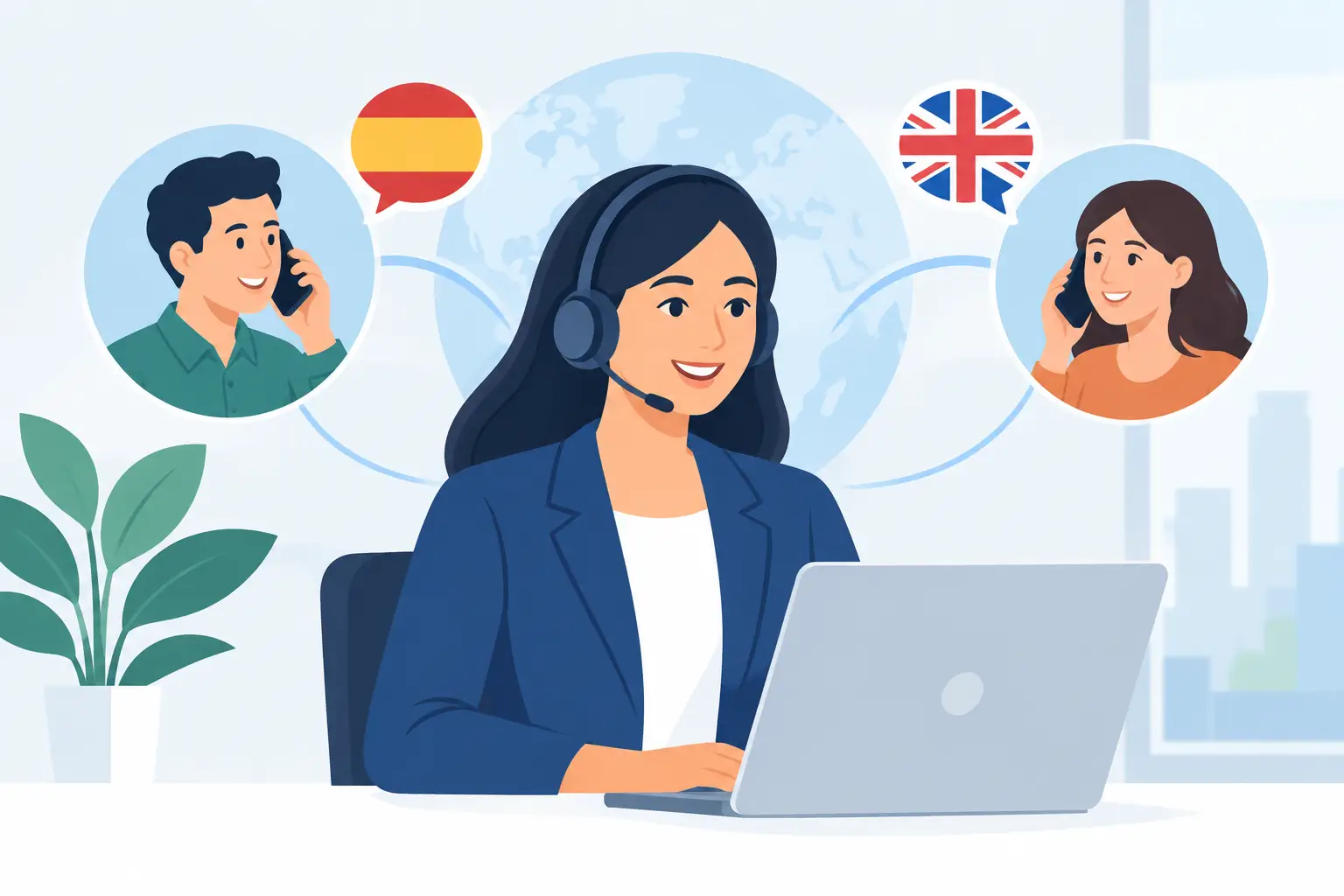
A caller has a burst pipe, a painful dental emergency, a legal concern, or a question about an available apartment. They may be ready to act right now, but only if they can explain their need and understand the response. A bilingual answering service for businesses gives English- and Spanish-speaking callers a live person who can listen, document the request, and move it to the right next step.
For many organizations, bilingual phone coverage is not simply a convenience. It is part of providing dependable service to the communities they serve. When callers encounter voicemail, a language barrier, or unclear instructions, they may hang up and call a competitor. When they reach a trained live agent who communicates with care, your business has the opportunity to earn trust from the first conversation.
Why bilingual call handling matters
English and Spanish are spoken in homes, workplaces, and communities across the United States. A business may already have Spanish-speaking staff during normal office hours, yet still have a gap after closing, during lunch, on weekends, or when the team is busy helping customers in person.
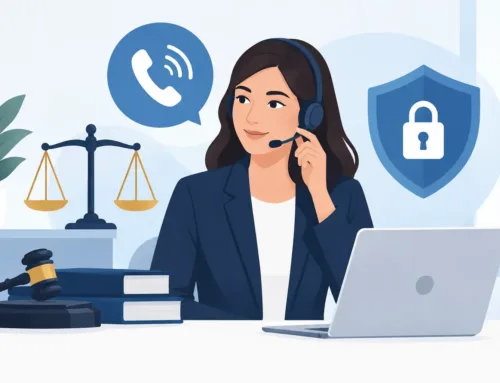
That gap can create real operational problems. A property management company may miss a report of a water leak. An HVAC company may lose an after-hours service call. A medical practice may leave a patient unsure of where to turn. A law office may fail to capture details from a prospective client while they are actively seeking counsel.
Live bilingual coverage helps protect against those moments. Rather than asking a caller to leave a message they may not be comfortable recording, a professional agent can follow your instructions, collect accurate information, and route the matter according to your preferences.
The goal is not to replace the expertise of your staff. It is to make sure every caller receives a respectful, useful first response when your staff cannot answer the phone.
What a bilingual answering service for businesses can handle
The best call plan reflects the way your organization actually operates. Some businesses need Spanish-language call handling only after hours. Others need overflow support throughout the day, coverage for holidays, or 24/7 availability for urgent calls.
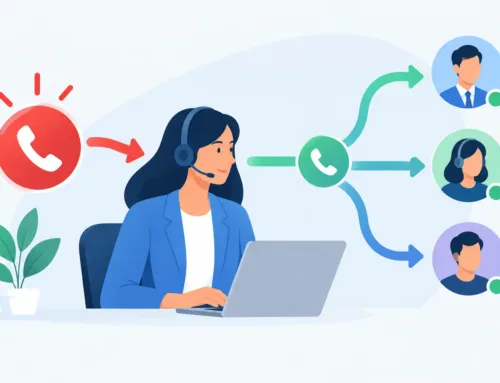
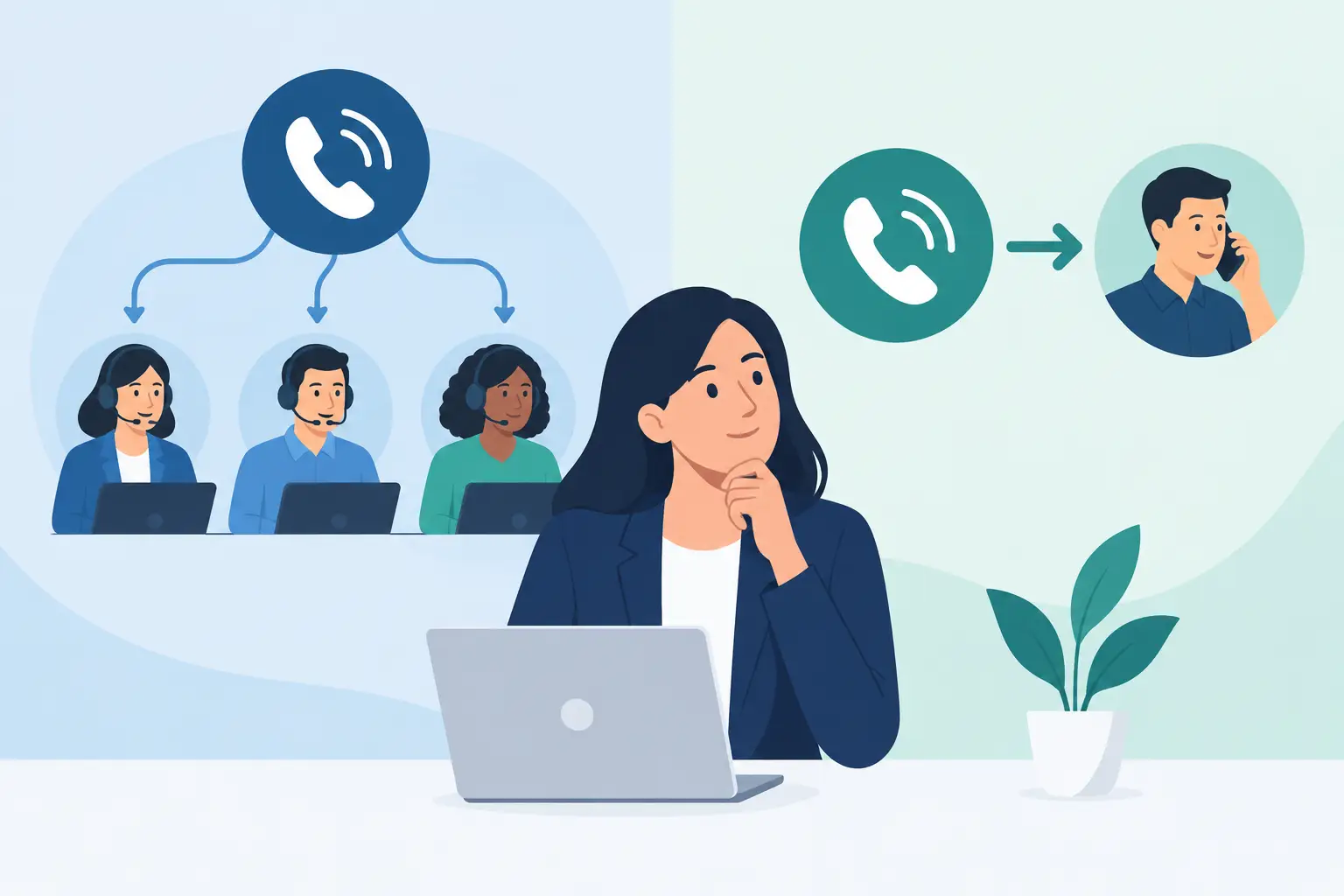
A trained bilingual virtual receptionist can greet callers using your business name, follow a customized script, verify basic contact details, and document the reason for the call. From there, the call can be transferred, a message can be delivered to an on-call team member, or the caller can receive approved next-step information.
For service-based businesses, the agent may capture the service address, nature of the problem, preferred appointment time, and whether the issue requires immediate escalation. For professional offices, the agent may record a case type, appointment request, or client concern without making promises or offering advice outside the approved script.
That distinction matters. Good answering service support is structured. Agents should know what information to gather, what language to use, when to escalate, and when to avoid giving an answer that must come from a licensed professional or a member of your internal team.
The business impact goes beyond translation
A caller does not judge your business only by whether someone speaks their language. They also judge how quickly they are answered, whether they are treated with patience, and whether their concern is handled with appropriate urgency.
Bilingual support can improve lead capture because callers can communicate their needs more clearly. It can reduce incomplete messages that force your team to call back for basic details. It can also help staff start each day with organized call documentation instead of a voicemail queue that requires interpretation and follow-up.
For organizations that serve urgent needs, speed is especially important. A patient calling with a concern, a tenant reporting a maintenance issue, or a homeowner without heat needs reassurance that their message reached someone. A live agent can acknowledge the call and activate the correct escalation process based on your instructions.
There is also a reputation benefit. A business that makes room for callers to communicate comfortably signals that it values the people in its community. That does not require every employee to be available 24 hours a day. It requires a reliable process that keeps callers from feeling dismissed when they need help.
Set clear expectations for call scripts and routing
A bilingual service works best when the provider has a detailed understanding of your call flow. Before coverage begins, define the calls that require immediate action, the calls that can wait until business hours, and the information your team needs to respond effectively.
For example, a plumbing company may want calls involving active leaks, sewage backups, or no water routed to an on-call technician immediately. Routine estimate requests can be documented and sent for follow-up the next business day. A dental practice may have different instructions for post-procedure concerns, appointment cancellations, and general inquiries.
Your script should also establish how agents handle sensitive questions. In healthcare, agents should follow HIPAA-compliant workflows and collect only the information necessary for the call. In legal services, the script may need to avoid creating expectations about representation. In property management, emergency definitions should be specific enough that agents can make the correct routing decision.
The more practical your instructions are, the more consistently your callers will be served. Review them periodically as your hours, services, staff contacts, or on-call schedules change.
Choose coverage that matches your real call patterns
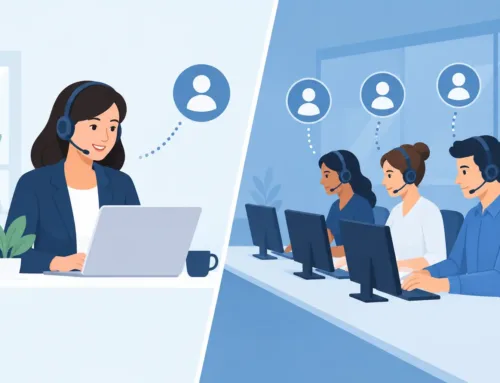
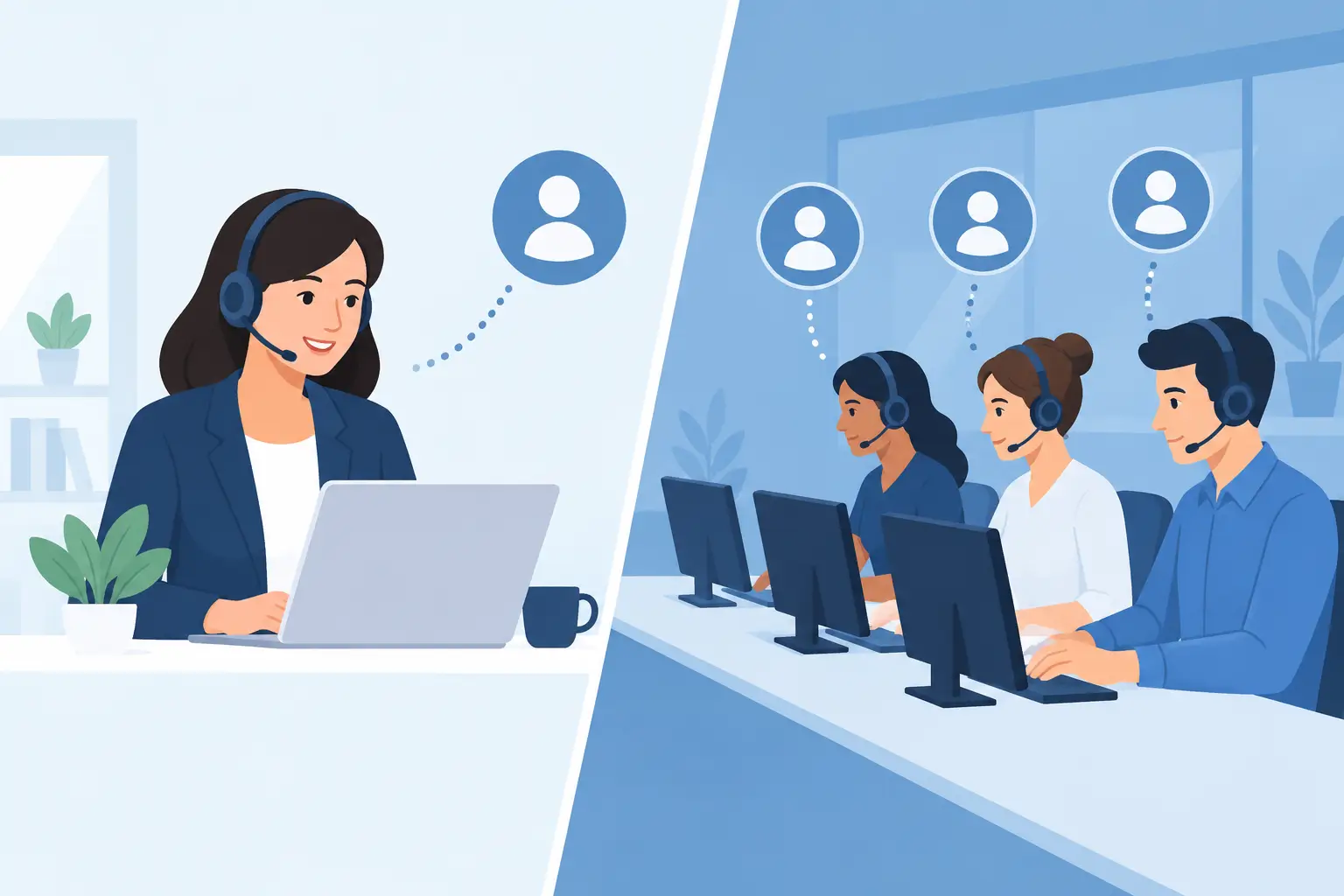
Not every business needs the same type of bilingual support. A small office may need a live bilingual receptionist for a few hours each evening. A growing home services company may need overflow coverage during peak call periods. A medical organization may need around-the-clock support with carefully defined escalation protocols.
Start by looking at when calls arrive and what happens when they are not answered. Review after-hours voicemail, missed-call reports, seasonal demand, and times when your front desk is under pressure. You may find that the greatest need is not overnight coverage at all. It may be the hour before opening, the lunch period, or the late afternoon when staff are assisting customers.
There are trade-offs to consider. Broad 24/7 coverage provides the greatest continuity, but a narrower schedule may be appropriate if your calls are low-risk and predictable. Direct call transfer can offer faster connection for urgent matters, while message delivery may be better for routine requests. The right plan depends on the urgency of your services, the availability of your staff, and the level of detail needed on every call.
Protect privacy while keeping messages useful
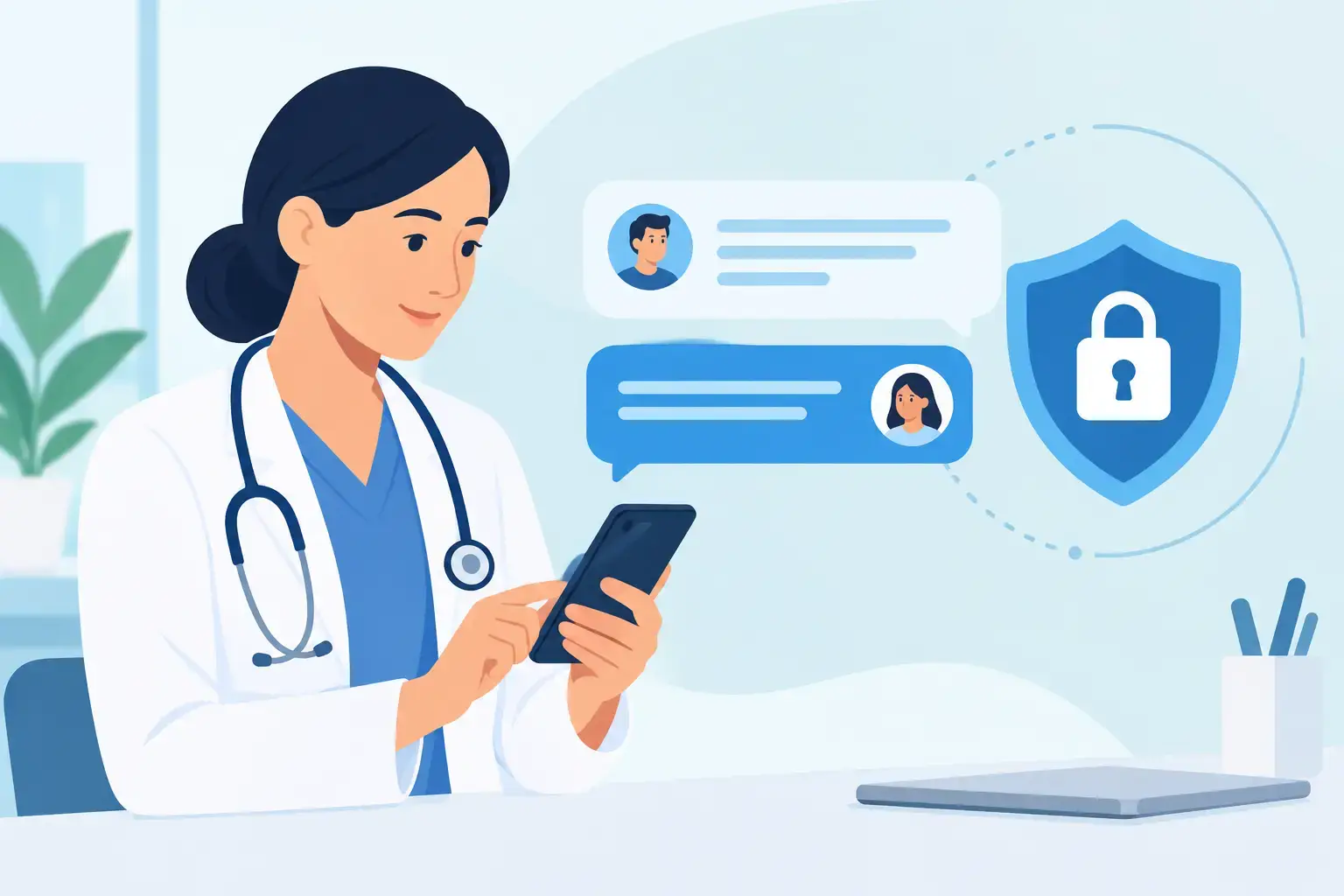
Businesses in healthcare, legal, financial, and other sensitive fields cannot treat phone messages casually. A bilingual answering provider should be prepared to follow documented privacy and security practices, including secure message delivery and industry-appropriate handling procedures.
Ask how messages are documented, who can access them, and how urgent notifications are sent. If your business accepts payment information by phone, confirm that the call process supports PCI-compliant practices. If you handle protected health information, ensure your workflow is designed for HIPAA compliance.
Privacy and responsiveness should work together. Your team needs enough information to respond promptly, but agents should not collect unnecessary details. A thoughtful script keeps the call focused, protects the caller, and gives your staff a clear reason for the follow-up.
Measure the experience, not just the call volume
Call counts are useful, but they do not tell the full story. Review the quality of messages, the number of urgent escalations, response times, and the types of calls your office receives in English and Spanish. These details can reveal whether your script needs refinement or whether certain calls should be routed differently.
It is also helpful to listen for recurring caller needs. If Spanish-speaking callers frequently ask the same question about appointments, service areas, payment options, or hours, your team can improve the script and reduce friction on future calls.
At Elation Answering Service, bilingual support is built around the same principle as every live call: your callers should feel that they reached a capable extension of your team. With clear instructions, trained US-based agents, and dependable coverage, your business can be available when a caller needs a real person most.
The right bilingual phone plan gives your staff breathing room while giving every caller a respectful place to start. That first conversation may be brief, but it can determine whether a customer feels confident enough to take the next step with your business.