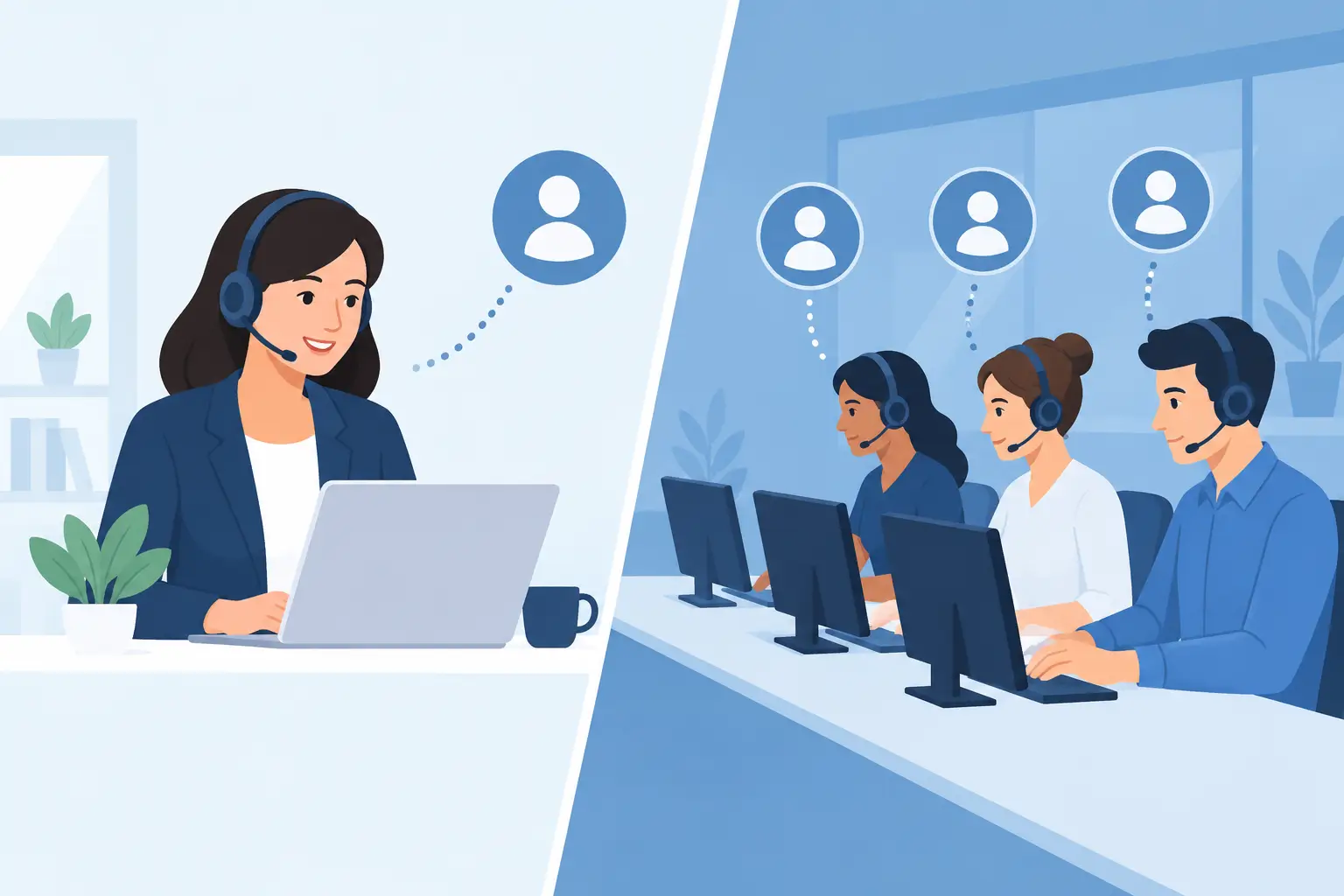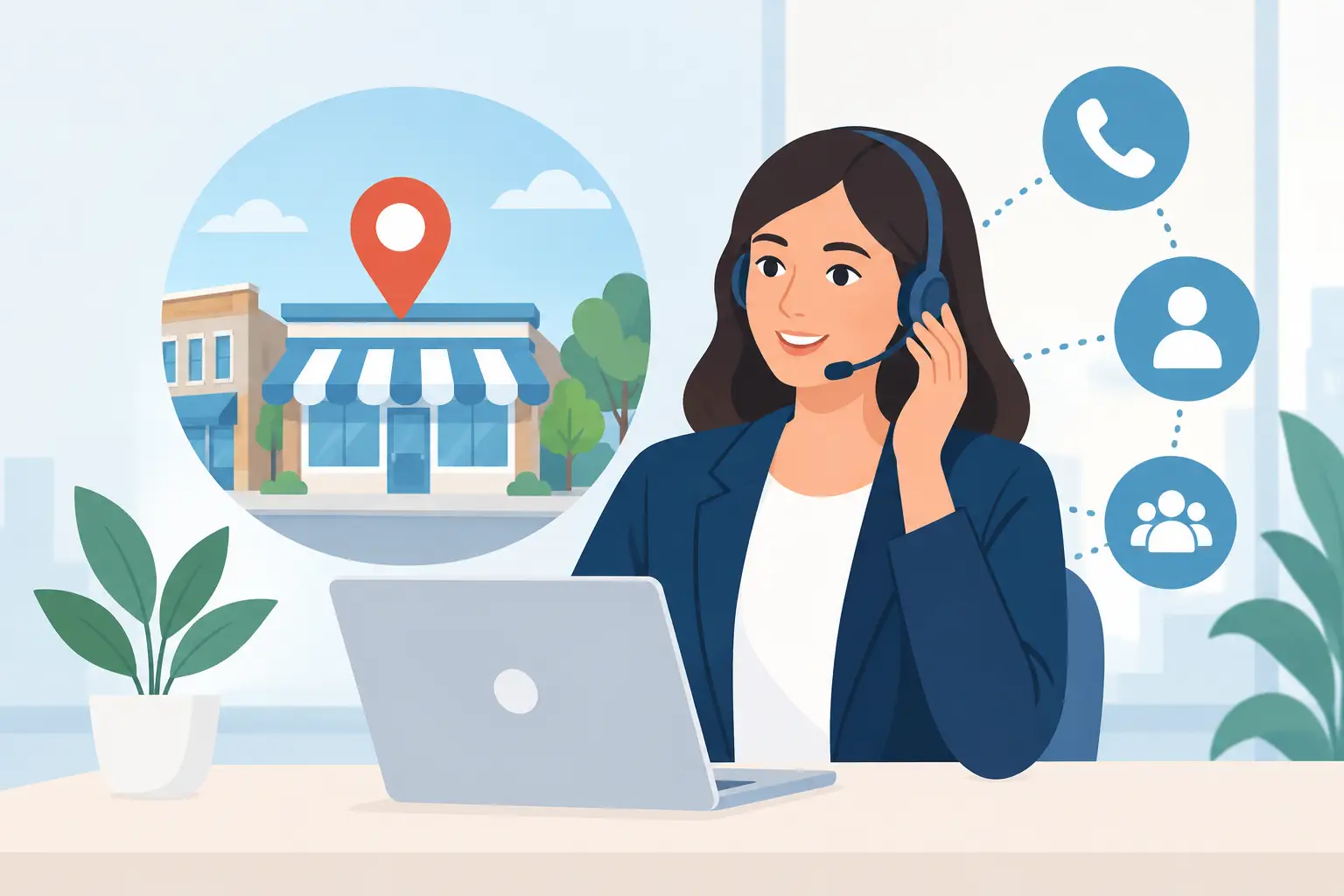
A missed call is rarely just a missed call. For a property manager, it may be a tenant reporting a water leak. For a medical office, it may be a patient who needs timely guidance. For a home service company, it may be the customer who hires the first plumber to answer. A local phone number answering service helps businesses remain accessible with a familiar local presence and a live person ready to respond when the office is busy, closed, or handling another caller.
The local number itself matters because people notice it. Callers often feel more comfortable contacting a business with a number that reflects their community, service area, or established office location. But the number only does its job when someone answers it professionally. The right answering service combines local familiarity with trained, US-based call handling that protects your reputation on every shift.
What a Local Phone Number Answering Service Does
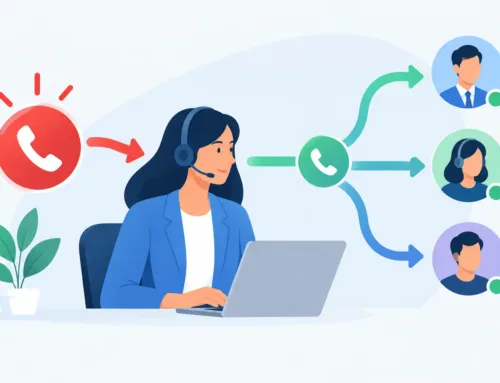
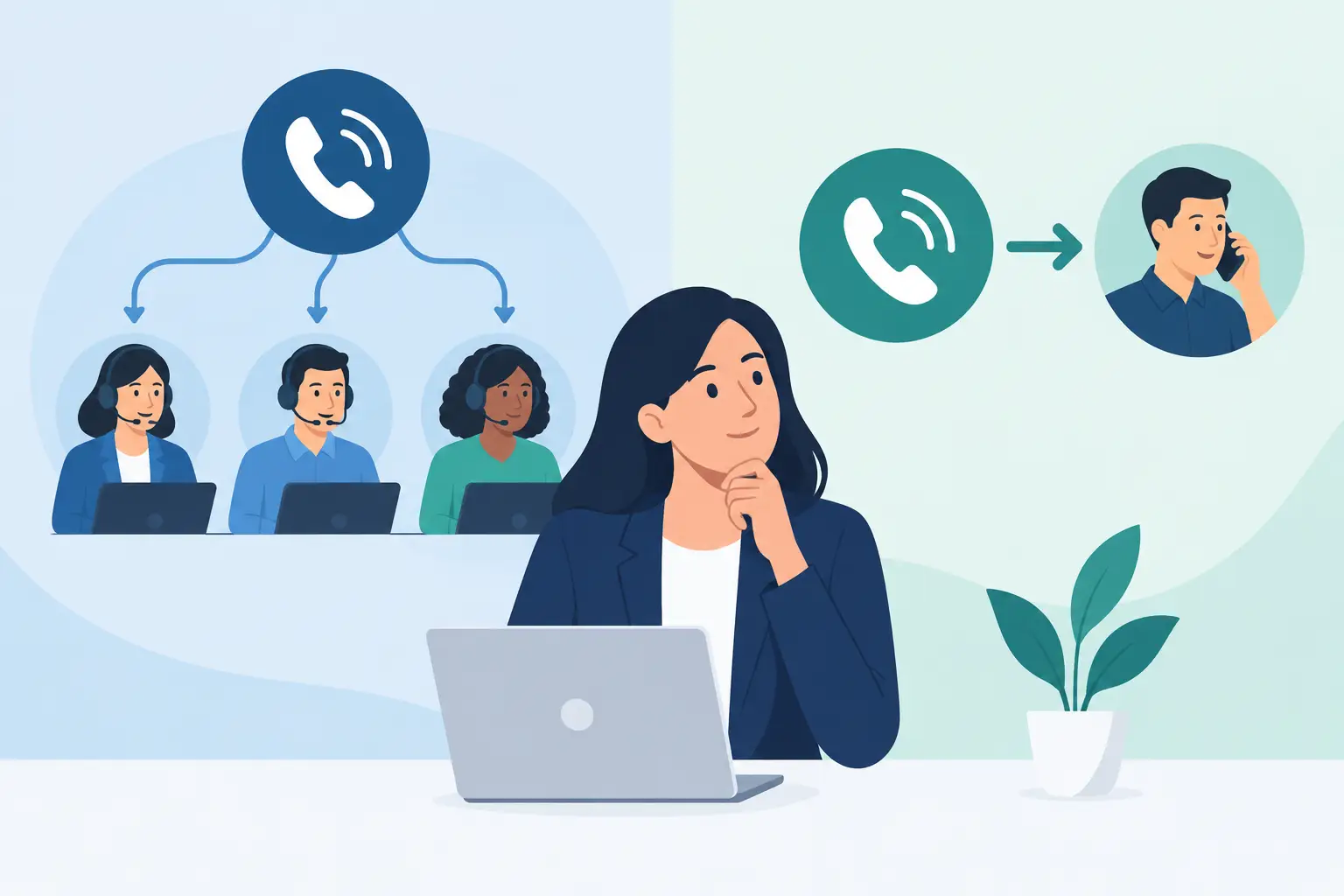
A local answering service provides your business with a telephone number using the area code your callers recognize. Calls to that number can be answered by live receptionists according to your instructions, forwarded to your office, routed to an on-call team member, or documented and delivered through a secure message portal.
This is different from simply forwarding calls to a personal cell phone or sending callers to voicemail. A live agent can identify the caller’s reason for contacting you, gather the details your team needs, and follow an escalation process when the matter cannot wait. The caller reaches a person who is prepared to represent your business, not an automated menu or an unanswered line.
For some organizations, the local number becomes their primary business line. Others use it for a new market, an after-hours campaign, a satellite office, or a dedicated department such as leasing, intake, or emergency maintenance. The best setup depends on how your calls arrive, who needs to receive them, and what information must be captured.
Why Local Presence Still Influences Caller Trust
Businesses serve customers in a world where people can compare providers in minutes. Even so, callers still make quick judgments based on familiar signals. A local area code suggests that a business understands the area it serves and is available to help nearby customers.
That perception can be especially valuable for service businesses. When a homeowner has no heat, they are not looking to leave a detailed voicemail and wait until morning. When someone needs an attorney, they may be calling during a stressful moment and want reassurance that their request has reached a real office. When a prospective tenant calls about an available unit, a prompt, courteous response can determine whether that prospect schedules a tour or calls the next listing.
A local number does not replace quality service, of course. A business can lose trust quickly if the call rings without answer or reaches an agent who sounds unfamiliar with its procedures. That is why local presence and live coverage work best together. The number opens the door. The person answering the call shapes what happens next.
The Business Problems Live Answering Solves
Internal staff cannot answer every call while checking in patients, assisting walk-in customers, managing technicians, or handling complex cases. The pressure becomes even greater after normal business hours, during holidays, and when call volume spikes unexpectedly.
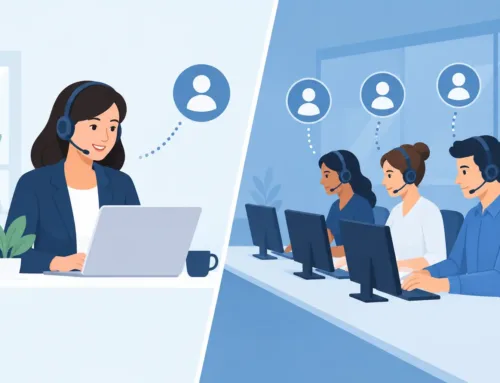
A live answering service gives your team a dependable layer of coverage without requiring an internal receptionist on every shift. Agents can answer in your business name, use customized scripts, ask qualifying questions, and record the information that matters to your operation. Your staff receives messages in the format and timeframe you choose, whether that means secure mobile delivery, email notifications, portal access, or urgent phone escalation.
This approach is useful when call handling must be consistent but the volume changes from day to day. A small law office may need intake support after hours but only occasional emergency escalation. A medical practice may need detailed patient messages routed to an on-call provider. A growing HVAC company may want every new lead answered live during peak seasonal demand. Each situation calls for different instructions, but all depend on the same principle: callers should not have to guess whether their message was received.
When a Local Number Is Most Valuable
A local phone number can support a business that operates in one market, several markets, or across a broader region. It is particularly helpful when you want to establish a clear presence without opening and staffing a full physical office immediately.
For example, a real estate team expanding into a neighboring county may use a local number for its advertising and listing inquiries. A property management company can dedicate one local number to maintenance calls and another to leasing. A multi-location dental group can give each office a recognizable number while maintaining consistent live answering procedures behind the scenes.
There are trade-offs to consider. If your business has a well-known existing number, changing it may create unnecessary confusion. In that case, live answering can be added to the current line, while a local number is used for a specific campaign or new service territory. If you serve customers nationwide, a toll-free number may still have a role. Many businesses use both: a local number for regional connection and a toll-free option for broader access.
What Professional Call Handling Should Include
Not every answering provider delivers the same level of care. Basic message-taking may be sufficient for routine, low-risk calls, but businesses handling urgent, private, or high-value conversations need a more tailored service.
Your service should start with a clear call script that reflects your company’s tone and operations. Agents need to know how to greet callers, which questions to ask, what details to document, and when to transfer or escalate a call. A vague instruction such as “take a message” leaves too much to chance when a caller has an urgent need.
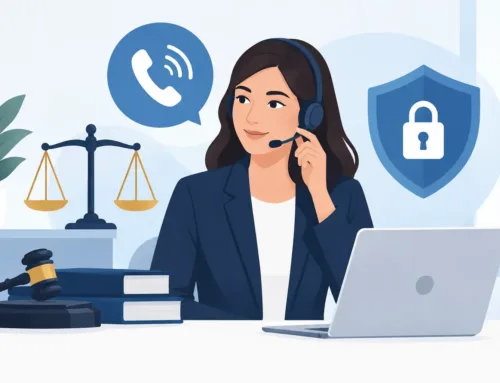
For healthcare, legal, financial, and other sensitive fields, security and compliance must be part of the process. HIPAA-compliant workflows are essential when handling protected health information. PCI-compliant procedures matter when payment details may be discussed. Secure message delivery helps keep private information out of informal, unsecured channels.
Bilingual support can also make a meaningful difference. If a portion of your customer base prefers Spanish, a bilingual agent can help your business provide a more welcoming and useful first conversation. That is not simply a convenience. It can reduce confusion, improve message accuracy, and help callers get the right help sooner.
Building a Call Plan That Fits Your Team
A strong answering plan is built around real scenarios, not generic promises. Before activating a local number, identify the types of calls you receive and decide what should happen next. Routine inquiries may only require a complete message. New leads may need immediate transfer to a sales representative. Emergencies may require a defined on-call schedule with multiple escalation contacts.
It also helps to decide what a receptionist should never do. Medical staff may want agents to avoid providing clinical advice. Legal offices may require specific language before collecting case details. Property managers may need emergency maintenance requests separated from routine repair calls. Clear boundaries protect both your callers and your staff.
Review call documentation regularly. Are agents collecting the details your team actually uses? Are urgent calls reaching the right person? Are callers asking the same questions because the script needs refinement? The best arrangements improve over time as your business learns where callers need more guidance and where internal processes create delays.
Elation Answering Service builds call handling around these operational details, so the receptionist experience can feel like an extension of your own team rather than a separate vendor. That continuity matters when every call carries the potential to create a new customer relationship or resolve an urgent issue.
Choose Reliability Over a Familiar Area Code Alone
A local number can make your business feel easier to reach, but it should never be the only consideration. Reliable coverage, thoughtful scripting, accurate documentation, and dependable escalation are what turn a local call into a positive customer experience.
Start by considering the calls your team is least able to miss. Then make sure the person answering has the information, training, and authority to guide each caller to the appropriate next step. When your local number is supported by live, accountable service, it becomes more than a line on a website or truck – it becomes a dependable welcome for the people who need your business most.