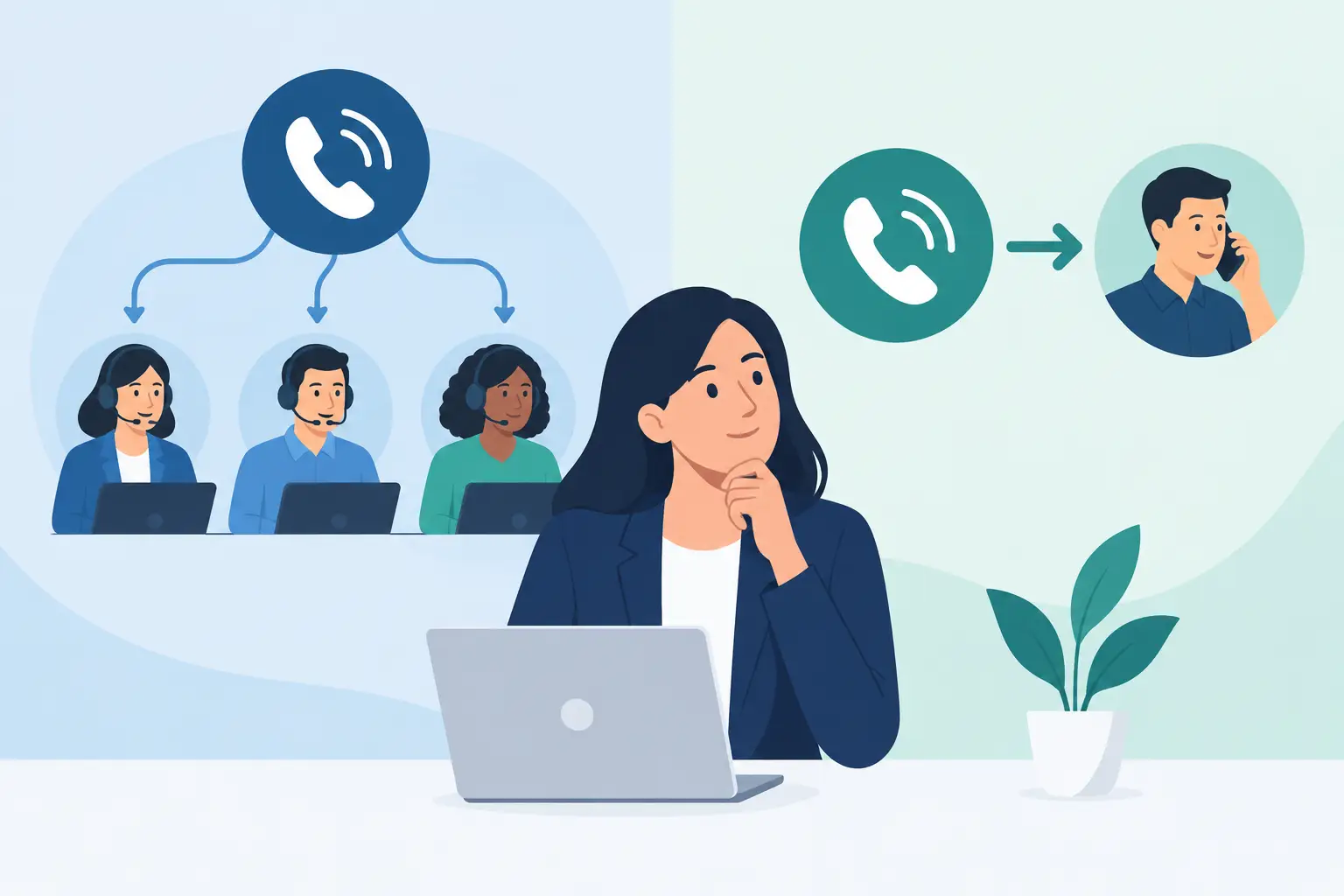
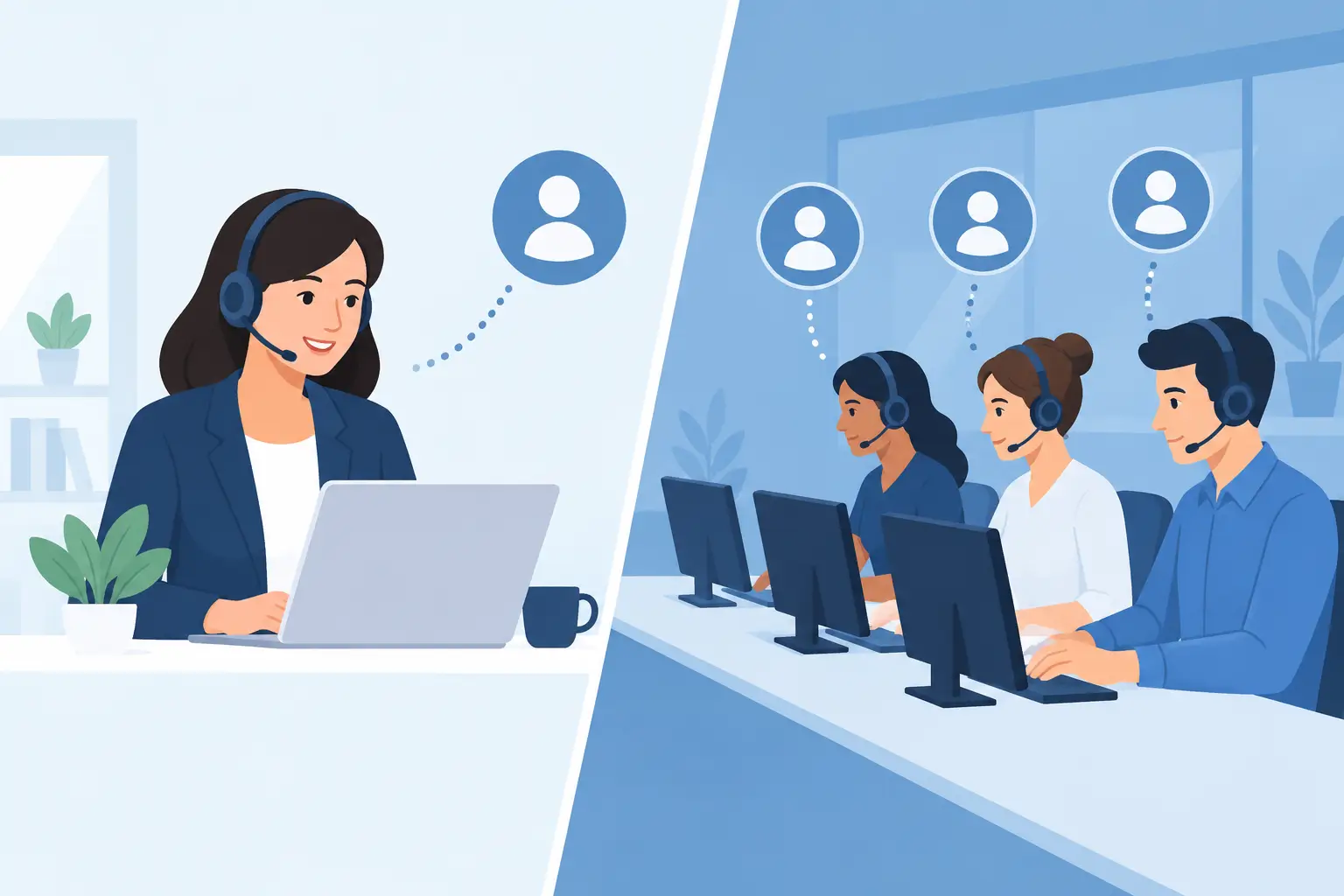
A new lead calls while your team is with a customer. A tenant reports a leak after hours. A patient needs to reach the on-call provider. In each case, voicemail can feel like a closed door. A virtual receptionist for small businesses gives callers a live, professional person who can listen, document the need, and follow the right next step.
For businesses built on trust, the phone is more than a communication channel. It is often the first test of responsiveness. The way a call is handled can influence whether someone schedules, hires, books, pays, or calls a competitor instead.
When a Virtual Receptionist for Small Businesses Makes Sense
Small businesses do not always need a full-time employee sitting at the front desk from morning through night. They do need a dependable plan for the moments when no one can answer. That may be during lunch, while staff members are serving clients, after the office closes, or when call volume rises unexpectedly.
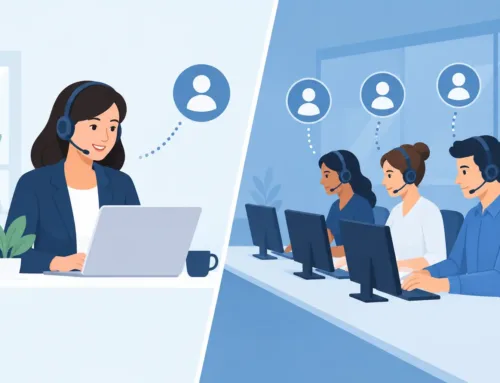
A live virtual receptionist provides coverage without requiring the cost and scheduling complexity of an internal 24-hour reception team. Trained agents answer using your business name, follow your preferred greeting, and use instructions built around your operations. The experience should feel like reaching your office, not reaching an anonymous call center.
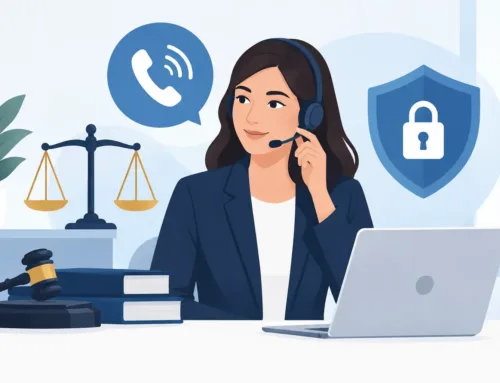
This support is especially valuable when callers have a reason to expect prompt help. A law firm may receive a time-sensitive prospective client call. An HVAC company may hear from a homeowner without heat. A property management team may need to identify an urgent maintenance issue. A medical practice must make sure the right message reaches the right on-call professional while protecting patient information.
The goal is not simply to answer more calls. It is to make every caller feel heard and to make sure your team receives useful, actionable information.
What a Live Receptionist Can Handle
The right service is configured around the calls your business actually receives. Some organizations need basic overflow support during busy business hours. Others require 24/7 coverage, weekend answering, holiday support, or a dedicated local number for a new market.
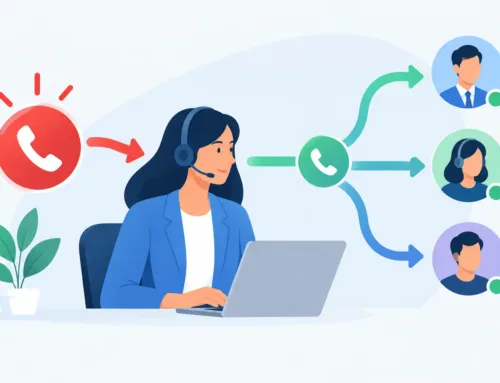
A virtual receptionist can greet callers, capture contact details, take messages, screen calls, transfer approved calls, and forward urgent requests according to your instructions. Agents can also follow intake questions that help your staff understand the reason for the call before returning it.
For example, a plumbing company may want agents to distinguish between a routine estimate request and an active water leak. A dental office may need to capture a patient’s concern and route a true emergency differently from an appointment request. A legal office may want initial intake details while avoiding legal advice or promises about representation.
That level of structure matters. It reduces back-and-forth, helps employees prioritize their response, and creates a more consistent experience for callers.
Escalation should be specific, not improvised
After-hours coverage is only effective if agents know what requires immediate action. Your service plan should clearly define who receives urgent calls, how they are contacted, and what happens if the first person does not respond.
A practical escalation process might direct an emergency maintenance issue to the on-call technician, then to a manager if the technician cannot be reached. A healthcare workflow may follow an approved on-call schedule and secure message process. The details vary by industry, but the principle stays the same: agents need clear instructions before the urgent call arrives.
Message delivery should fit your team
Fast message delivery is useful only if it reaches the people responsible for acting on it. Depending on your needs, messages may be delivered by text, email, secure portal, or a combination of methods. Detailed call documentation helps staff see the caller’s name, number, concern, urgency, and any requested follow-up.
For regulated organizations, message delivery must also support privacy obligations. Healthcare practices should look for HIPAA-compliant workflows, while businesses that take payment-related information should ask how PCI requirements are handled. Compliance should be part of the operating process, not an afterthought.
The Business Case Is Bigger Than Coverage
Missed calls are easy to underestimate because they rarely show up as a single line item. A missed lead may never call back. An existing customer may become frustrated after reaching voicemail twice. A delayed urgent response can damage a relationship that took years to build.
Live coverage also protects internal staff from constant interruption. When employees must stop serving customers, completing paperwork, or handling field work to answer every ring, both the caller and the current task can suffer. A receptionist service can filter routine requests, collect the necessary details, and escalate only what needs immediate attention.
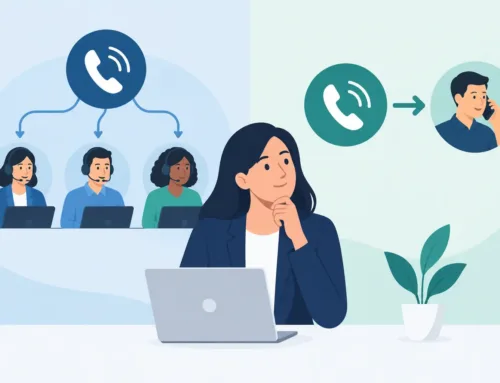
There is also a staffing consideration. Hiring an employee for extended-hour coverage involves wages, training, turnover, benefits, sick days, and schedule gaps. An outsourced service can be a more practical option when your call volume is uneven or when you need coverage outside standard shifts. It is not a replacement for every front-office role, but it can close the gaps that create the most risk.
How to Choose the Right Service
Not every answering provider offers the same level of support. An inexpensive service that simply takes a name and number may be enough for a low-urgency business. It is usually not enough for a practice, property manager, or service company where a caller may need prompt, knowledgeable handling.
Look closely at who answers your calls. US-based live agents can be particularly valuable when callers expect clear communication, familiarity with local business practices, and a professional, conversational tone. Ask whether bilingual support is available if your customers would benefit from it.
You should also ask how much customization is included. Your agents should have a call script that reflects your business, but the script should not sound stiff or robotic. Good call handling combines consistent questions with the judgment to listen carefully when a caller’s situation does not fit a simple category.
Before choosing a provider, clarify these operational questions:
- Can agents follow different instructions for business hours, after hours, weekends, and holidays?
- How are urgent calls escalated, and what backup steps are used if the first contact is unavailable?
- What information is included in messages, and how quickly are they delivered?
- Does the service support HIPAA-compliant or PCI-conscious workflows when required?
- Can the provider scale coverage when call volume increases or your business expands?
The answers reveal whether a provider is prepared to operate as an extension of your team or simply process calls as quickly as possible.
Set Up Your Receptionist Service for Better Results
A strong launch begins with clear expectations. Share the types of calls you receive, the language your customers use, the questions your staff needs answered, and the situations that require escalation. Include current on-call schedules and keep them updated. A receptionist can only follow the information they are given.
It also helps to decide what should not be handled by the service. For instance, agents should not provide medical guidance, legal advice, price quotes that require an inspection, or promises about response times unless your business has approved those statements. Boundaries protect both your callers and your reputation.
Review call records regularly during the first few weeks. You may find that one intake question needs to be added, a message category is too broad, or an escalation rule needs adjustment. These small refinements can make a noticeable difference in how efficiently your office responds.
Human Answering Builds Caller Confidence
Automation has a role in business operations, particularly for simple routing and information. But a caller facing an urgent repair, a legal concern, or a health question often wants reassurance that a real person has heard them. A live agent can recognize concern, ask an appropriate follow-up question, and make sure the message is complete.
That human response is not about adding unnecessary steps. It is about protecting the relationship at the moment it matters most. Elation Answering Service approaches every call with that responsibility in mind, using trained US-based agents and customized workflows to support the way each client operates.
Your callers may not remember every detail of the conversation, but they will remember whether someone answered, listened, and helped move their concern forward. Build your coverage plan around that experience, and your business will be better prepared when the next important call comes in.