A missed call at 2:00 a.m. is not always a missed opportunity. For a medical practice, it may be a patient who needs direction. For a property manager, it may be a tenant reporting a flood. For a law firm, it may be a prospective client who needs help before calling someone else. A 24/7 answering service ensures those callers reach a live, prepared professional rather than an unanswered phone or a generic voicemail greeting.
For businesses built on trust and responsiveness, after-hours coverage is not simply an administrative convenience. It is part of the customer experience. The way a call is handled when your office is closed can shape whether someone feels heard, whether an emergency receives prompt attention, and whether a valuable lead stays with your business.
What a 24/7 Answering Service Does
A professional answering service provides live telephone coverage whenever your in-house team is unavailable. That may mean evenings, weekends, holidays, lunch breaks, staff meetings, or around the clock. Trained agents answer calls using your business name, follow your call-handling instructions, document the conversation, and deliver messages through the channels your team prefers.
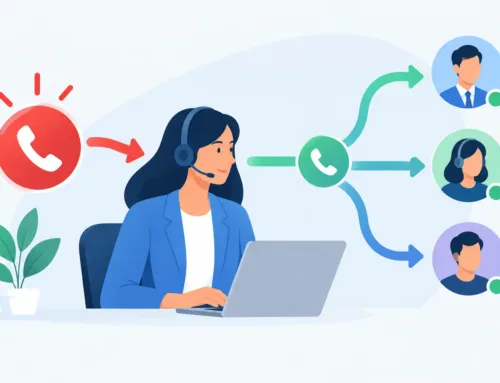
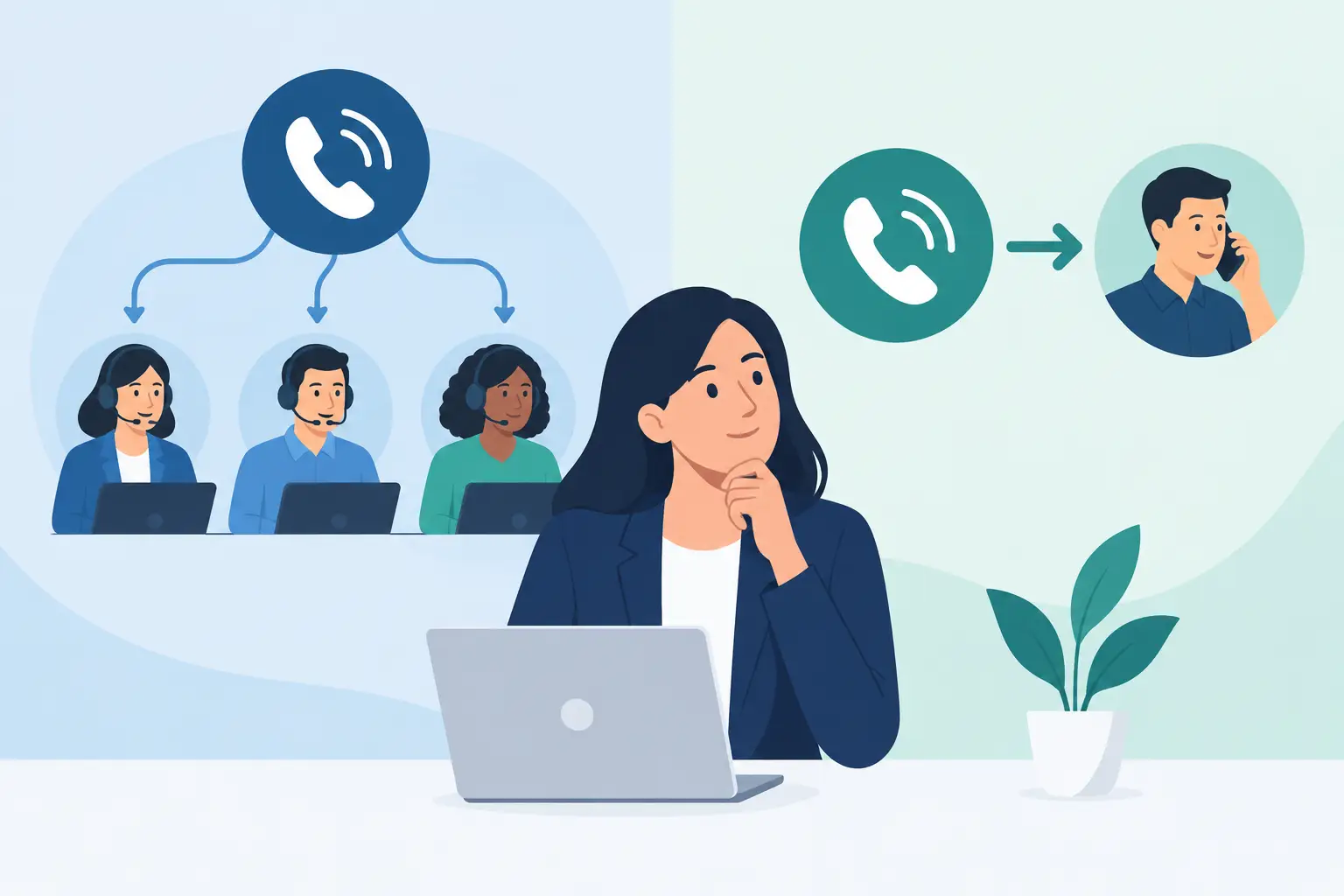
The right service does more than take a name and number. Agents can screen calls, identify urgent situations, follow escalation procedures, transfer callers when appropriate, schedule appointments, and provide approved information. Each workflow should reflect the way your organization operates.
For example, a plumbing company may need a live agent to separate emergency water leaks from routine service inquiries. A medical office may require HIPAA-compliant message handling and clear on-call escalation. A property management company may need maintenance calls routed according to the type of issue, property location, and time of day. The caller hears one dependable team, while your business receives the details needed to respond efficiently.
Why Live Coverage Matters After Hours
Voicemail has a place for some low-priority communications, but it creates friction when a caller needs an answer now. Many people will not leave a detailed message, especially when they are worried, frustrated, or comparing service providers. They may simply hang up and call the next business in search results.
A live person changes that interaction. The caller can explain what happened, ask a basic question, and receive confirmation that the matter has been documented or escalated. Even when a full resolution cannot happen immediately, a thoughtful response gives the caller confidence that their concern is in capable hands.
That distinction matters most in service-driven industries. A family calling a funeral home, a tenant reporting a safety issue, or a patient trying to reach an on-call provider does not want to navigate a phone tree. They want calm, respectful human support. Your after-hours call process should meet that expectation without requiring an internal employee to remain on duty every night.
The Business Impact of Always-On Call Handling
A 24/7 answering service helps protect revenue, reputation, and staff capacity at the same time. New leads are less likely to be lost to unanswered calls. Existing clients and patients receive a more consistent experience. Internal employees can focus on their work during business hours instead of returning to a long, unclear list of voicemails.
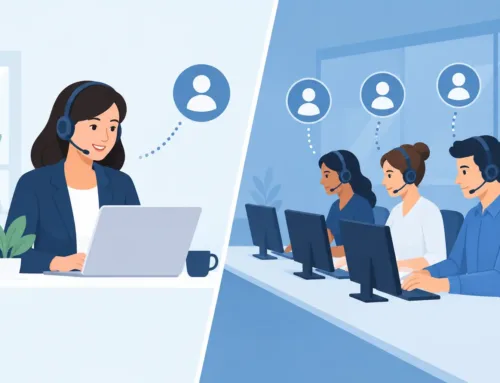
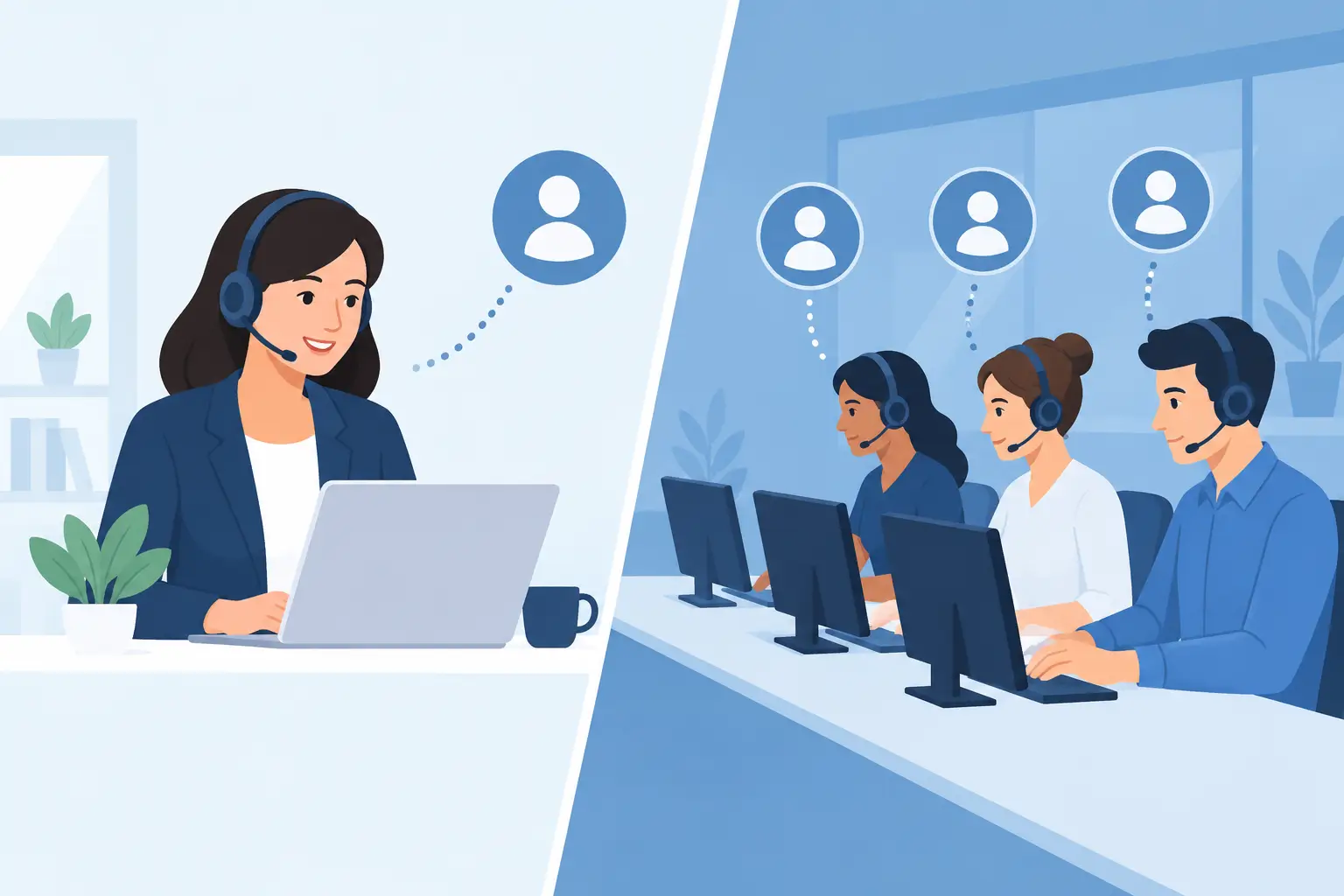
There is also a practical staffing benefit. Building an in-house overnight or weekend reception schedule is expensive and difficult to manage. Coverage requires hiring, training, scheduling, supervision, and backup plans for absences. An outsourced live answering team gives businesses access to trained agents without carrying the cost and complexity of a full internal 24-hour reception department.
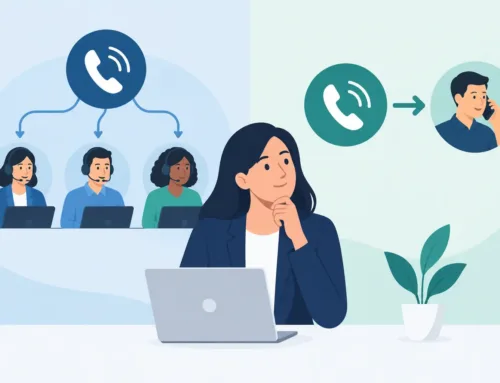
Still, around-the-clock coverage is not a one-size-fits-all service. A small professional office may only need evenings and weekends. A hospital department, home services business, or multifamily property portfolio may need continuous coverage with multiple escalation paths. The best plan is based on call volume, urgency, caller types, and the specific actions your team wants agents to take.
What Callers Notice First
Your callers will not judge an answering service by its technology platform or reporting dashboard. They will judge it by the first voice they hear. That is why agent quality, preparation, and consistency matter as much as availability.
A strong call-handling experience begins with a warm greeting that identifies your business correctly. The agent should listen without rushing, ask only the questions needed to document the issue, and use language that fits your organization. For sensitive calls, professionalism includes knowing when not to overpromise and when to involve the appropriate on-call contact.
Accurate documentation is equally important. A message should tell your team who called, how to reach them, what they need, how urgent the matter is, and what action was taken. Vague notes create delays and force staff to repeat questions that callers have already answered. Clear call records support faster follow-up and a more organized operation.
Building an Answering Service Workflow That Works
Effective coverage begins before the first agent answers a call. Your provider should take time to understand your business, the types of calls you receive, and the decisions agents are authorized to make. A customized script is useful, but it is only one part of a reliable workflow.
Start by identifying which calls require immediate escalation and which can be sent as routine messages. Define the order in which on-call contacts should be reached, how long agents should wait before trying the next person, and what information must be collected before an urgent call is transferred. If your business has different departments, locations, or service areas, those distinctions should be built into the call process.
It also helps to consider the moments when call volume changes. A dental office may receive more urgent calls after procedures. An HVAC company may see a surge during severe weather. A law office may want extra lead capture coverage during a marketing campaign. Call instructions should be reviewed periodically so they continue to reflect current operations rather than last year’s priorities.
Privacy, Compliance, and Secure Messaging
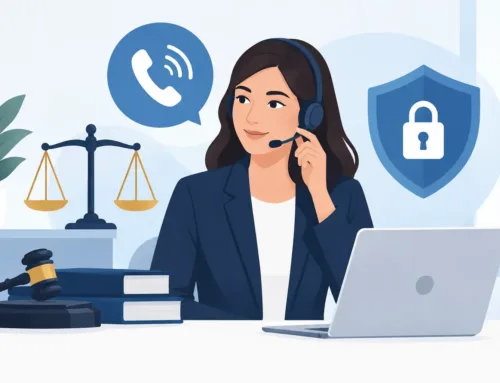
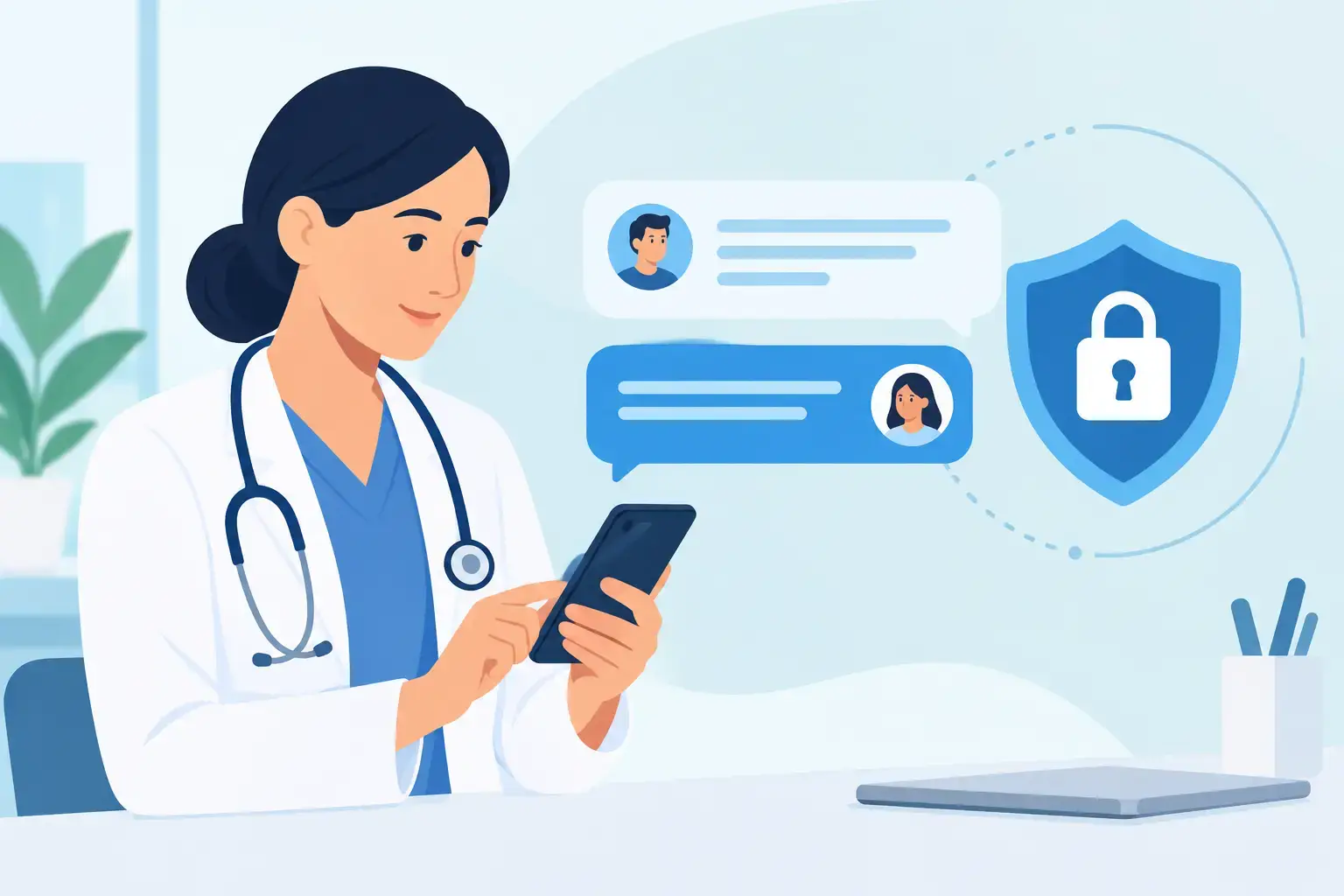
For healthcare, legal, financial, and other sensitive industries, caller care includes protecting information. A provider should have processes that support the privacy obligations relevant to your organization, including HIPAA-compliant workflows for healthcare communications and PCI-conscious practices when payment information is involved.
Security is not limited to what happens during the call. It also includes how messages are delivered, who can access them, and how quickly your staff receives time-sensitive information. Secure mobile and online message portals can give authorized team members access to call details without relying solely on paper notes or unsecured communication methods.
Compliance requirements vary, and an answering service cannot replace your own internal policies or professional judgment. However, a provider experienced in regulated communications can help ensure that your after-hours process is organized, documented, and aligned with the standards your callers expect.
Choosing the Right 24/7 Answering Service
When evaluating providers, look beyond the promise of 24-hour availability. Ask who will answer your calls, where agents are based, how scripts are customized, and how urgent calls are escalated. Understand whether bilingual support is available if your callers need it, and ask to see how reporting and message delivery will work for your team.
You should also consider the provider’s experience in your industry. An agent handling a patient call needs different training and language than one supporting a real estate office or an electrical contractor. Industry-specific configuration helps agents recognize what information matters and respond with the appropriate level of urgency.
At Elation Answering Service, the goal is to make every caller feel as though they have reached your own team. US-based live agents, customized call documentation, secure message delivery, and tailored escalation procedures help businesses remain responsive without overextending their internal staff.
The next time your office closes, consider what your callers will hear when they need you most. A live, professional answer may be the reassurance that keeps a customer, patient, tenant, or prospective client connected to your business.